Includes
Guides and Porters: Experienced guides to lead the climb and ensure safety. Porters to carry equipment, supplies, and a portion of your personal gear.
Park Fees and Permits: Fees for entering Kilimanjaro National Park and necessary permits
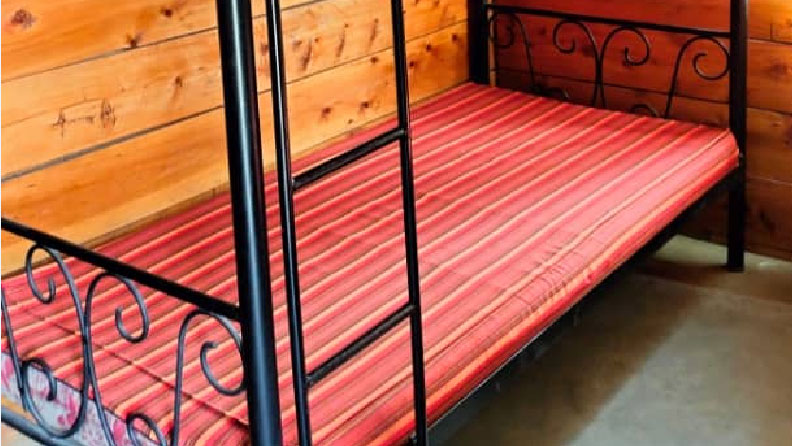
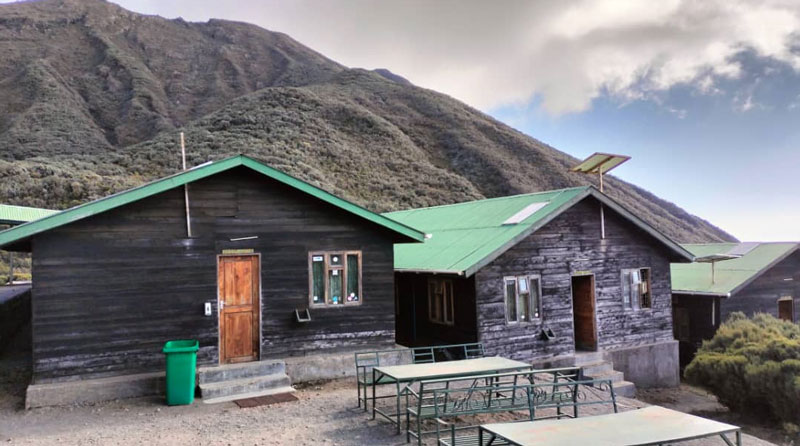
Meals and Accommodation: All meals during the climb, typically including breakfast, lunch, and dinner. Camping equipment (tents, sleeping bags) or accommodation in mountain huts.
Safety Equipment: Necessary safety equipment, such as first aid kits and, in some cases, oxygen.
Transfers: Transportation to and from the airport or specified meeting point.
Briefings and Orientation: Pre-climb briefings and orientations to provide essential information about the climb.
Summit Certificates: Certificates confirming your successful summit of Mount Kilimanjaro.
Excludes
Flights: International and domestic flights to and from Tanzania.
Personal Gear: Your personal climbing gear, including clothing, boots, and other specific items.
Insurance: Travel insurance covering medical emergencies, trip cancellations, and evacuation.
Tips: Tips for guides, porters, and other staff. Tipping is a customary practice on Kilimanjaro.
Additional Accommodations: Accommodations before and after the climb, especially if you arrive early or stay longer.
Altitude Medications: Any necessary medications for altitude sickness. Consult with a healthcare professional.
Personal Expenses: Expenses such as souvenirs, snacks, and additional items not specified in the package.
Optional Excursions: Side trips or optional excursions not included in the main climbing itinerary.
Visa Fees: Visa fees for entry into Tanzania, if applicable.
Important information
Certainly! Here's a comprehensive list of key information that customers should be aware of before booking or starting an event, especially for self-driving tours:
Booking Confirmation:
Ensure you have received a clear booking confirmation with details such as date, time, meeting point, and any specific instructions.
Preparation Checklist:
Prepare appropriate clothing, personal items, identification, and any specific gear needed for the event using the provided checklist.
Weather Considerations:
Be aware of the typical weather conditions during the scheduled time and prepare accordingly.
Health and Safety:
Understand any health or safety considerations, including fitness requirements, potential risks, and necessary precautions.
Itinerary Overview:
Familiarize yourself with the detailed itinerary, highlighting key activities, rest stops, and any special events or points of interest.
Self-Driving Tours:
If applicable, understand the specifics of self-driving tours, including:
Vehicle Information: Type of vehicle provided, its features, and any driving requirements.
Camping Equipment: If camping is involved, be aware of the provided equipment and any additional items you may need to bring.
Navigation: Use the provided guidance on navigation tools or maps, and be aware of any challenging routes or road conditions.
Permits and Entry Fees:
Check if you need to obtain any permits or pay entry fees, and follow guidance on how to do so.
Contact Information:
Save contact information for the tour organizers or guides, including emergency contact numbers, in case you need assistance.
Cancellation and Refund Policies:
Understand the cancellation policy, refund conditions, and any deadlines for changes or cancellations.
Local Customs and Etiquette:
Be aware of local customs, etiquette, and any cultural considerations to ensure a respectful experience.
Photography Guidelines:
If applicable, follow any guidelines regarding photography, especially in sensitive or protected areas.
Food and Dietary Restrictions:
Be informed about meals provided, any dietary restrictions catered for, and whether you need to bring your own snacks or specific items.
By being well-prepared and informed, you can enhance your satisfaction, set expectations appropriately, and contribute to a positive overall experience.