The best time to visit Zimbabwe is largely dependent on your primary goal: wildlife safari or Victoria Falls viewing. For safaris, the Dry Season (May to October) is optimal. For the most spectacular view of Victoria Falls, visit during the High Water season (March to May).
The Dry Season (May – October)
This period aligns with winter and spring, offering ideal safari conditions across the major parks like Hwange and Mana Pools.
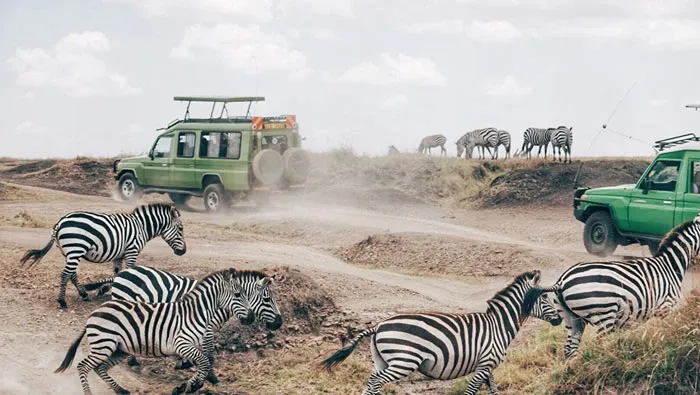
Pros: Minimal rain, resulting in sparse vegetation and forcing wildlife to congregate around permanent water sources, making sightings predictable and abundant. Lower risk of malaria. Pleasant temperatures for morning and evening game drives.
Cons: Peak season crowds and higher accommodation prices, especially July through September. Victoria Falls water
levels are at their lowest (Sep-Nov), meaning some sections may be dry.
Best For: Classic Big Five safaris, walking safaris in Mana Pools, and combining multiple parks effectively.
The Wet Season (November – April)
Also known as the Green Season, this is characterized by heavy rainfall and lush landscapes.
Pros: Fewer tourists and lower prices. The scenery is lush, dramatic, and excellent for photography. Birdwatching is superb as migratory species arrive. Victoria Falls is at its fullest (March-May).
Cons: High heat and humidity. Heavy rain can make some dirt roads impassable, especially in Mana Pools. Wildlife is dispersed due to abundant water, making sightings harder. Mosquito activity increases.
Best For: Budget travelers, bird enthusiasts, and those focused on seeing the Falls at their maximum flow.
Zimbabwe offers one of Africa's most rewarding safari experiences, prioritizing authentic guiding and walking safaris. It is a reliable destination for the Big Five and features unique ecosystems found nowhere else.
The Big Five & Beyond
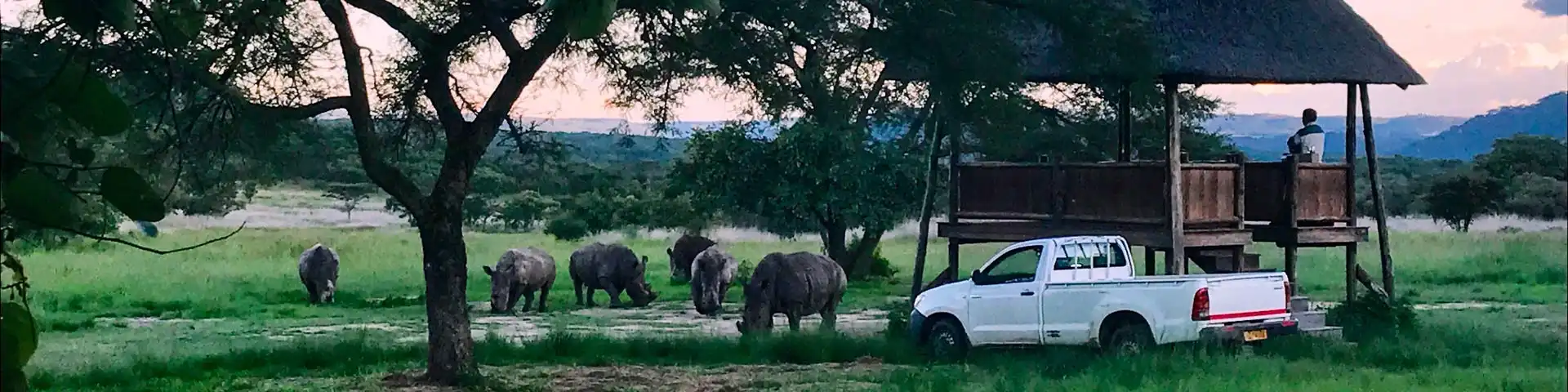
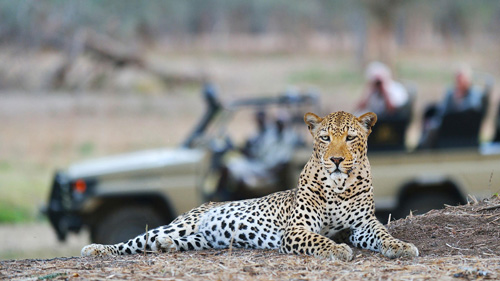
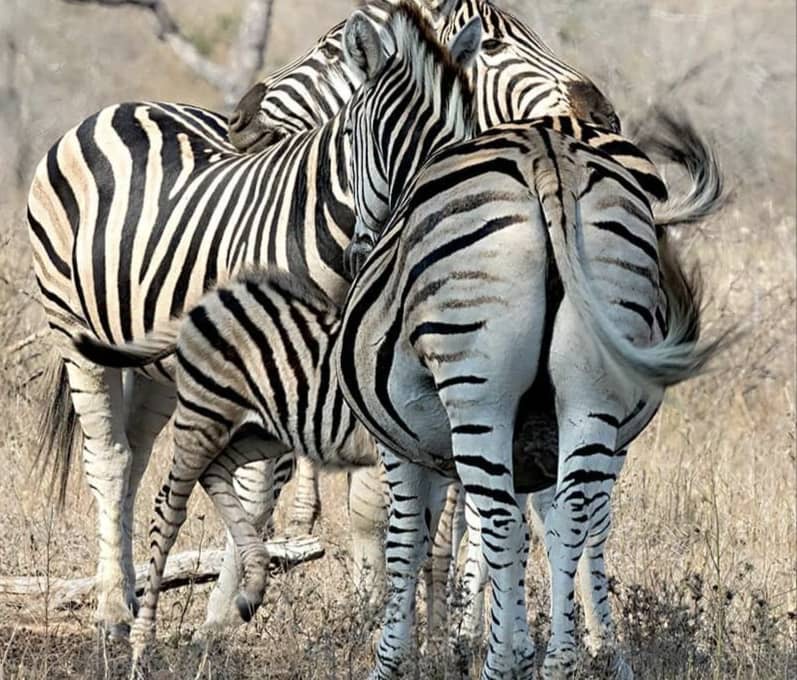
Zimbabwe's major parks, particularly Hwange and Mana Pools, host healthy populations of the Big Five: Lion, Leopard, Rhino (though critically endangered), Elephant, and Buffalo.
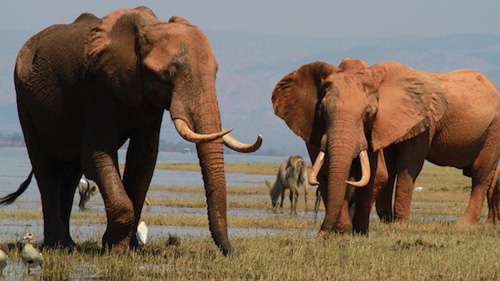
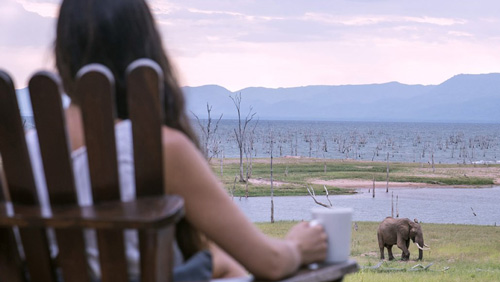
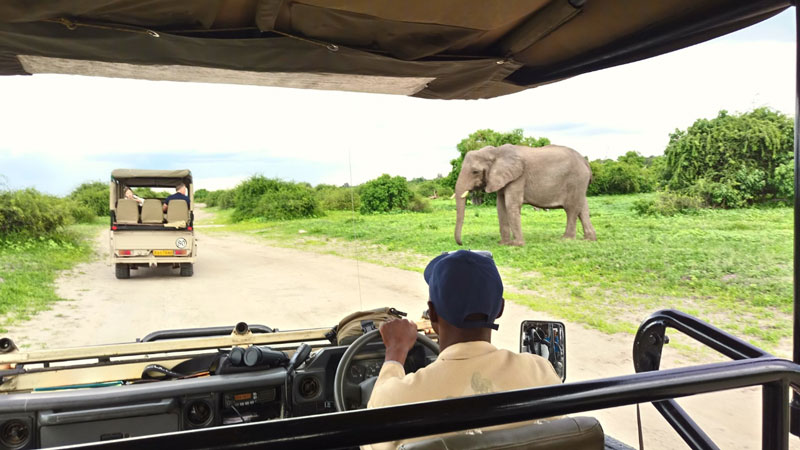
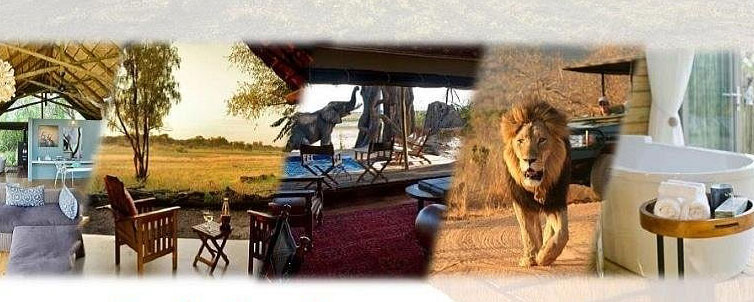
Elephants: Hwange National Park has one of Africa's largest elephant populations, often seen in vast herds around pump-driven waterholes during the dry season.
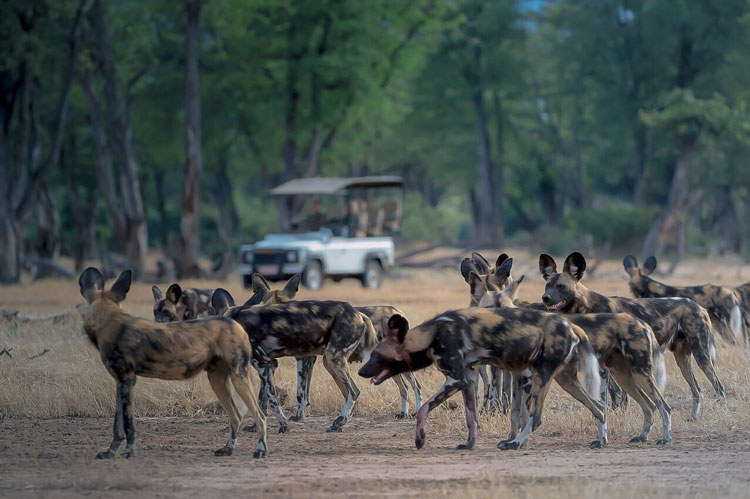
Wild Dogs (Painted Wolves): Mana Pools is world-renowned as one of the best places to reliably track and view these endangered predators.
Rarity: Unlike some East African countries, Zimbabwe excels in offering walking safaris, giving you the chance to experience the bush on foot with highly qualified professional guides, a hallmark of the country's tourism.
Zimbabwe is defined by three powerful, yet distinct, natural regions, each offering a unique travel experience.
1. Victoria Falls (Mosi-oa-Tunya)
The adventure capital and a global natural wonder, located on the border with Zambia.
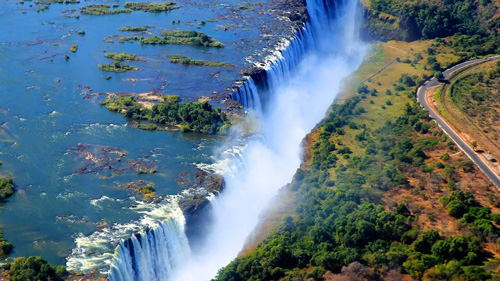
Key Attraction: The largest sheet of falling water in the world, locally known as "The Smoke that Thunders."
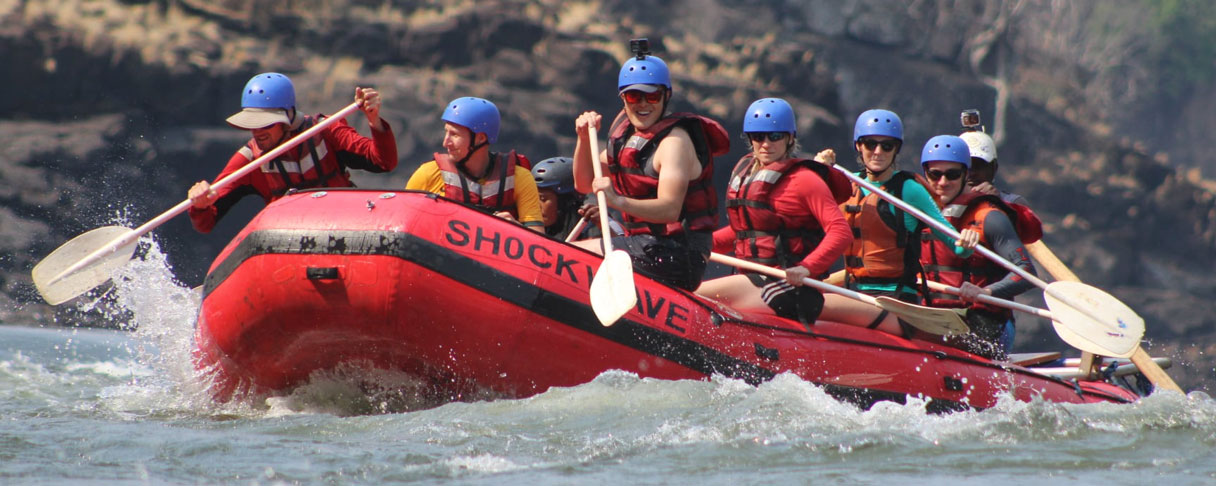
Activities: White-water rafting on the Zambezi River (best during low water), gorge swings, bungee jumping, and scenic helicopter flights ("Flight of the Angels").
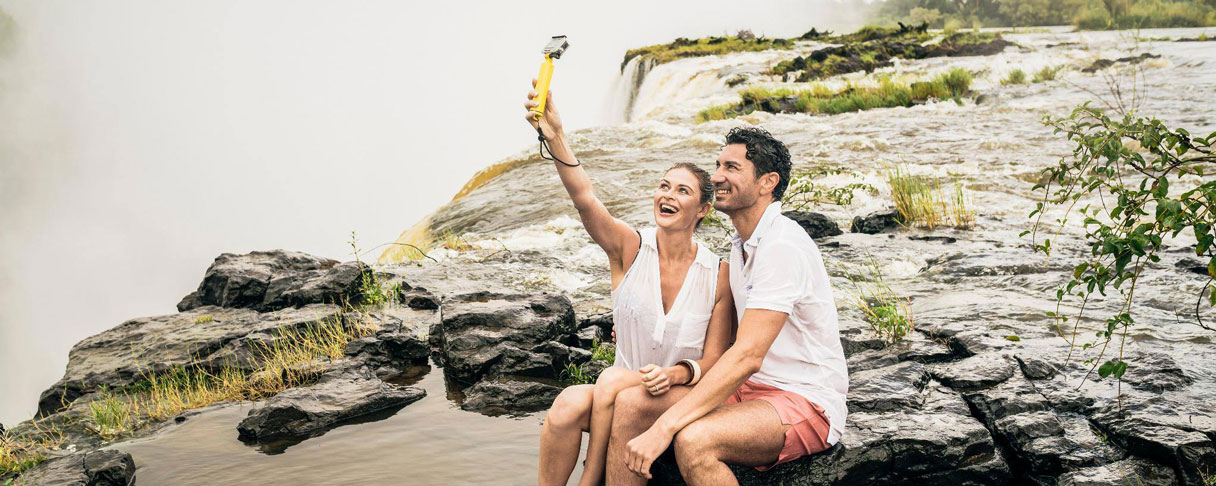
Best Time to Visit: March to May, when water levels are highest and the spray is most intense. Visiting in the late Dry Season (Sep-Nov) allows access to Devil's Pool on the Zambian side.
Logistics: Served by Victoria Falls International Airport (VFA), making it an easy entry point for international travelers.
2. Hwange National Park
Zimbabwe's largest and most accessible park, famous for its massive elephant herds and diverse predator sightings.
Key Parks: Hwange National Park.
Ecosystem: Vast stretches of Kalahari sandveld and woodland savanna. The park relies on man-made waterholes during the dry season.
Travel Goal: High-volume game viewing, especially large mammals, and experiencing luxury tented camps.
Logistics: Easily combined with Victoria Falls via a short road transfer or light aircraft. Accessible year-round.
3. Mana Pools National Park (Walking Safari Mecca)
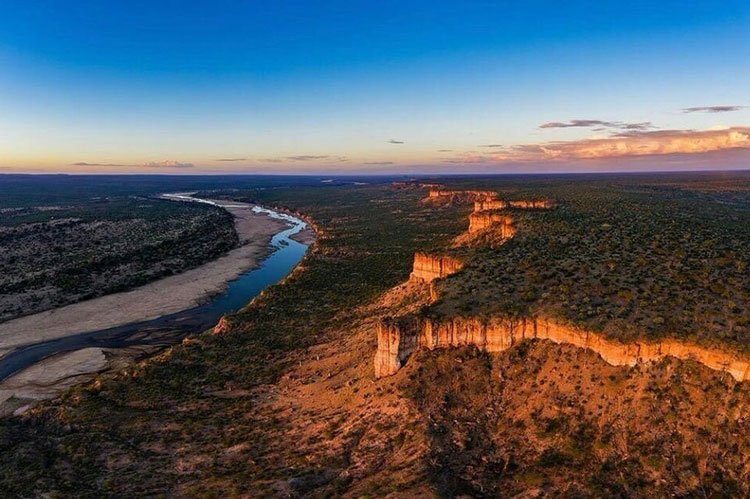
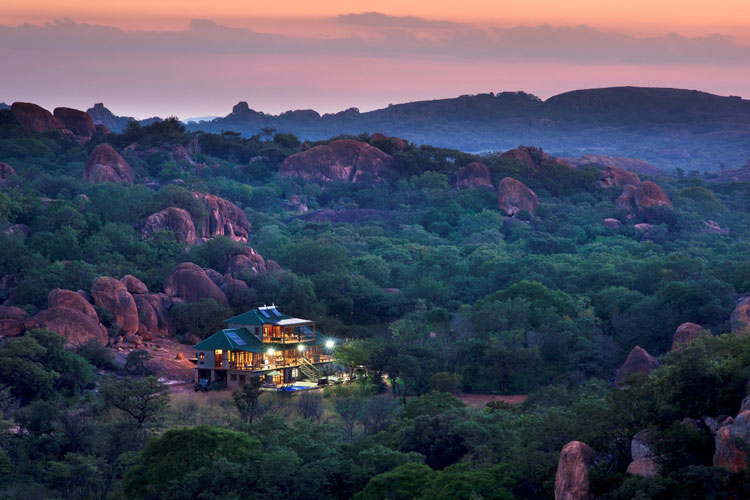
A UNESCO World Heritage Site defined by the meandering Zambezi River floodplain. Mana Pools is famous for its open terrain and unique light, which is ideal for photography.
Key Parks: Mana Pools National Park.
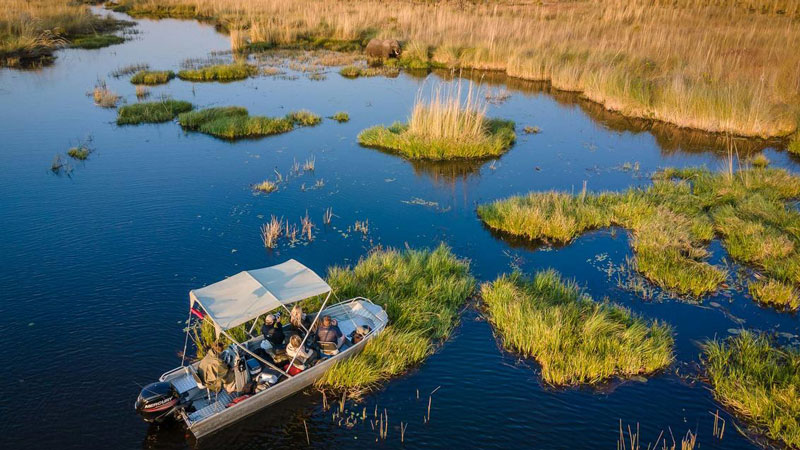
Ecosystem: Riverine forests and floodplains where lions, elephants, and wild dogs roam among ancient acacia trees.
Travel Goal: Intensive walking safaris led by licensed professional guides; canoeing safaris on the Zambezi; tracking predators on foot.
Logistics: Remote and challenging to access; requires light aircraft or a 4x4 vehicle. Access is strictly limited during the heavy wet season (Nov-Apr).
Zimbabwe offers exceptional value compared to other major safari destinations like Botswana, but certain costs are unavoidable, primarily relating to park entry and guiding fees.
Daily Cost Estimates (Per Person/Day)
Budget
Basic self-catering, guesthouses
Local buses/shared transport (around Falls)
$120 - $180
Primarily Victoria Falls activities; limited guided safari access.
Mid-Range
Comfortable lodges, traditional tented camps
Guided road transfers; 3-day package safaris
$400 - $650
Quality safari experience in Hwange and private reserves; focuses on 1-2 regions.
Luxury
Exclusive mobile camps, private concessions
Internal light aircraft flights; top-tier guiding
$800+
Remote access (Mana Pools); personalized itineraries; minimized travel time.
1.Visa Requirements: Most nationalities require a visa for Zimbabwe, which can typically be obtained upon arrival (Visa on Arrival). The KAZA Uni-Visa is available for simultaneous entry into Zimbabwe and Zambia, ideal for travelers wanting to compare the Victoria Falls view from both sides.
2.Guided Travel is Mandatory: Most parks, especially Mana Pools, require you to be accompanied by a licensed guide for walking safaris. Zimbabwe's professional guides are among the best-trained in Africa.
3.Tipping Culture: Tipping is an integral part of the Zimbabwean tourism economy. Budget approximately $10–$20 per guest per day for your guide and $5–$10 per day for lodge/camp staff.
4.Currency: Zimbabwe uses a multi-currency system, but the US Dollar (USD) is the primary currency for tourism, fees, and payments. Carry small USD notes.