SAFARI IS MORE ABOUT SEEING THE BIG FIVE. Of course, seeing a lion resting in the golden grass or an elephant walking quietly across the plains can be unforgettable. But some of the best safari moments are often the ones you never planned for. It is waking up before sunrise while the bush is still silent. It is watching the first light spread across the Serengeti, Maasai Mara or the Okavango Delta. It is your guide stopping the vehicle because of a footprint in the dust, a distant alarm call, or fresh tracks crossing the road. It is learning that the smallest signs can tell a much bigger story. A safari is also about watching giraffes move through acacia trees, listening to hundreds of birds at sunrise, seeing a family of elephants communicate without making a sound, or sitting quietly while a leopard disappears into the grass. And sometimes, it is simply the landscape. The endless plains of Tanzania and Kenya. The waterways of Botswana. The dramatic wilderness of South Africa. The forests of Uganda and Rwanda, where the experience changes completely as you enter the world of primates, rainforest and mountain trekking. There is also another side of safari that deserves attention: the people, cultures and communities connected to these landscapes. A good journey should help you understand not only the wildlife, but also the conservation work, local traditions and people who have lived alongside these ecosystems for generations. That is why a great safari is never only about asking: “Did you see the Big Five?” A better question might be: “What did the wilderness make you notice?” Because sometimes the moment you remember most is not the lion. It is the silence before sunrise. The dust behind a herd of elephants. The call of a bird you had never heard before. Or the feeling of realizing that, for a few hours, you were simply part of the wild. That is safari.

All guides
Nairobi National Park Tanzania
SAFARI IS MORE THAN SEEING THE BIG FIVE
Discover why safari is more than spotting the Big Five—from Serengeti sunrises to Botswana's waterways, Uganda's gorilla trekking, and vibrant local cultures. Unforgettable wilderness moments await!
rafikitembotours
Sep 9, 2026

Ready to plan your Tanzania safari?
Explore a variety of safari packages and compare trusted tour operators to find the perfect Tanzania safari for your next adventure.
Related guides
 Mt Kenya National Park
CITRUS TOUR SAFARIS
C
citrustoursafaris
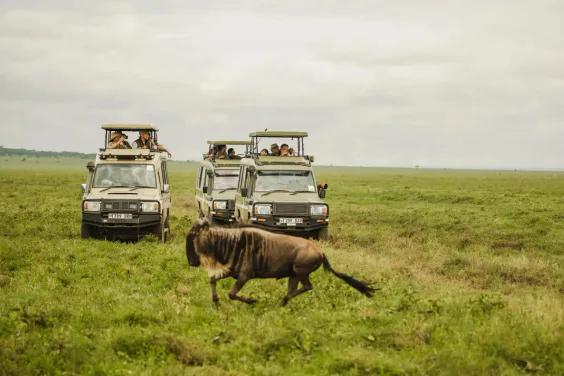 Serengeti National Park
Serengeti Safari Package: How Much Does a Tanzania Safari Cost?

GOSHENI SAFARIS AFRICA
 Gombe National Park
5 THINGS TRAVELERS SHOULD CHECK BEFORE BOOKING ANY TANZANIA TOUR
rafikitembotours
 Mt Kenya National Park
WHY SEPTEMBER IS ONE OF THE BEST MONTH TO TRAVEL IN TANZANIA AND KENYA
rafikitembotours
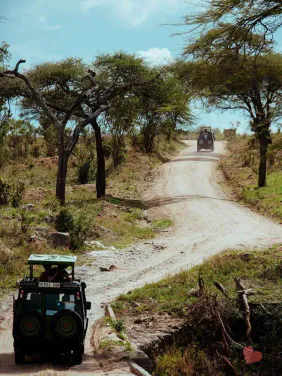 Nairobi National Park
Typical hours of the day to be out driving on safari?
R
RedDog
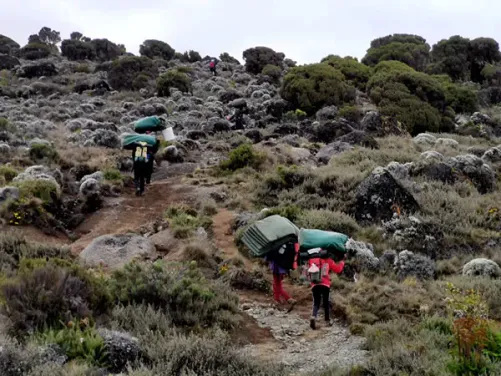
Кения - Танзания, посоветуйте как добраться.
S
skonda