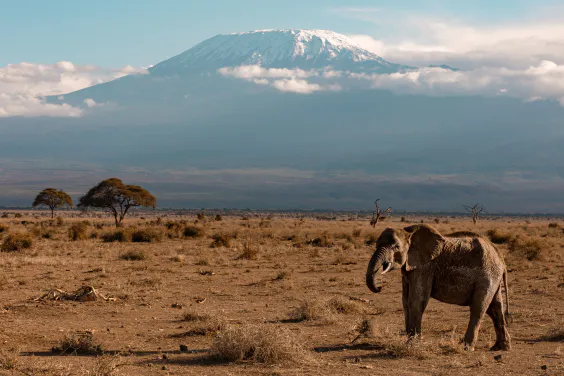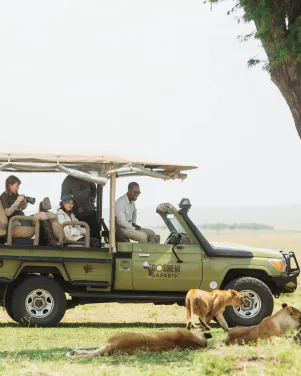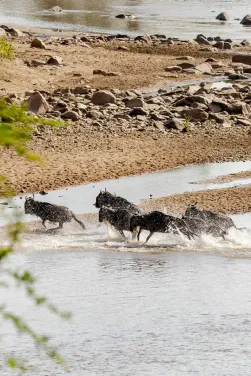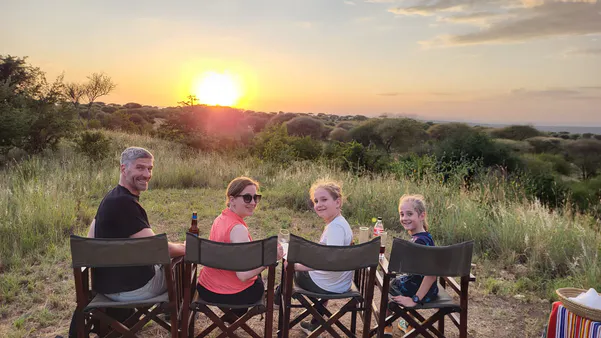


Amboseli National Park is one of Kenya’s most iconic safari destinations, famous for its large elephant herds and spectacular views of Mount Kilimanjaro. Located in southern Kenya near the Tanzanian border, the park combines open savanna, seasonal lakes, acacia woodlands, and permanent wetlands within a relatively compact area.
Whether you are planning your first Kenya safari, hoping to photograph elephants beneath Kilimanjaro or deciding how many days to spend in Amboseli, this guide covers the essential information you need.
Where Is Amboseli National Park?
Amboseli National Park is located in Kajiado County, southern Kenya, approximately 240 kilometers southeast of Nairobi, depending on the route used.
Covering around 392 square kilometers, Amboseli is relatively small compared with Kenya’s Maasai Mara National Reserve or Tanzania’s Serengeti National Park.
However, its size is part of its appeal. Visitors can explore several different habitats without traveling enormous distances between wildlife-viewing areas.
The name Amboseli comes from the Maasai word Empusel, commonly translated as “salty dust” or “salty, dry place”.
Amboseli was designated a national park in 1974, following its earlier history as a game reserve.
The wider Amboseli ecosystem is internationally recognized for its ecological importance, and Amboseli National Park is included on Kenya’s UNESCO World Heritage Tentative List.
Why Visit Amboseli National Park?
1. See Amboseli’s Famous Elephant Herds
Elephants are the main reason many travelers choose an Amboseli safari.
The park is internationally recognized for its large elephant herds, including impressive mature bulls with long tusks.
Amboseli is home to one of the world's most extensively studied elephant populations. Researchers have followed individual elephants and family groups for decades, building a deep understanding of their behavior and social relationships.
One particularly famous elephant was Echo, a matriarch whose life and family were documented through long-term research.
During game drives, visitors may see elephants feeding on the plains, moving between wetlands or cooling themselves in water.
Some elephants appear reddish or brownish after covering themselves with local dust and soil.
Although elephant sightings are common, their locations and behavior vary with the season, weather, and water availability.
2. Photograph Wildlife with Mount Kilimanjaro
Few safari destinations offer a landscape as recognizable as Amboseli.
Mount Kilimanjaro, Africa’s highest mountain at approximately 5,895 meters, rises beyond the plains and creates an extraordinary backdrop for wildlife photography.
Although Kilimanjaro is located in Tanzania, Amboseli offers some of its most celebrated northern views.
The classic photograph of elephants walking across the savanna beneath Kilimanjaro is one of Africa’s best-known safari images.
However, visitors should know the mountain isn't always visible.
Clouds frequently obscure the summit, even when the weather in Amboseli itself appears pleasant.
For the best chance of seeing Kilimanjaro, plan an early-morning game drive. Visibility often improves around sunrise, before clouds develop later in the day.
Clear views are never guaranteed, so allow more than one morning in your itinerary.
3. Discover More Than Elephants
Although elephants are Amboseli’s signature attraction, the park supports a diverse range of wildlife.
Animals you may encounter include:
- African elephants
- Lions
- African buffalo
- Giraffes
- Plains zebras
- Wildebeest
- Impalas and gazelles
- Spotted hyenas
- Hippos
- Cheetahs
- Warthogs and jackals
Leopards occur in the wider ecosystem but are difficult to see, while rhinoceroses are not a realistic wildlife-viewing expectation in Amboseli.
This means Amboseli is not the best destination for travelers whose main goal is to see all of Africa’s Big Five.
Instead, it is particularly rewarding for elephant encounters, open-landscape photography, and observing wildlife around wetlands.
4. Enjoy Excellent Birdwatching
Amboseli is also an outstanding destination for bird enthusiasts.
The park and its surrounding ecosystem are home to over 400 documented bird species, making it a notable destination for birdwatchers.
Its wetlands, marshes, and seasonal lakes attract waterbirds, while the open plains and woodlands support numerous birds of prey.
Notable species include African fish eagles, secretary birds, martial eagles, pelicans, herons, kingfishers, and various weavers.
Birdwatching can be especially rewarding during the wetter months, when seasonal water attracts additional birdlife and migratory species may be present.
What Is the Landscape Like in Amboseli?
Amboseli’s landscape is more varied than its famous elephant photographs might suggest.
The park contains several distinct habitats:
Open grasslands: Broad plains provide excellent visibility for observing grazing animals and predators.
Acacia woodlands: Scattered trees and wooded areas provide shelter and feeding habitat for wildlife.
Permanent swamps and marshes: Underground water originating from the Kilimanjaro catchment helps sustain important wetlands even during dry periods.
Seasonal lakebeds: Parts of Lake Amboseli are often dry and dusty but may fill with shallow water after significant rainfall.
Thorn bush and semi-arid plains: These habitats give Amboseli its characteristic dry, open appearance.
The contrast between dusty plains and green wetlands is one of the park’s most distinctive features.
Best Time to Visit Amboseli National Park
The best time to visit Amboseli also depends on your wider Kenya safari plans. Amboseli is a year-round safari destination, but the experience changes with the seasons. The best time to visit also depends on your wider Kenya safari itinerary. For a broader seasonal perspective, explore our guide to the best time to visit Kenya
June to October: Main Dry Season
This is generally one of the best periods for wildlife viewing.
Rainfall is usually limited, vegetation becomes shorter, and animals often concentrate around permanent water sources.
The relatively open landscape makes wildlife easier to spot.
Advantages include:
- Good wildlife visibility
- Frequent elephant activity around wetlands
- Generally favorable road conditions
- Strong opportunities for wildlife photography
However, this is also a popular safari season, so accommodation prices may be higher and well-known viewing areas can become busy.
November to December: Short Rains
The short rains typically bring fresh vegetation and greener scenery.
The landscape can become particularly attractive for photography, and birdwatching opportunities improve.
Rainfall is variable, and some days may remain sunny.
Visitors should allow flexibility for changing weather and occasional muddy roads.
January to February: Short Dry Period
January and February can be excellent months for an Amboseli safari.
These months often provide a useful combination of relatively dry conditions, wildlife viewing, and photographic opportunities.
Early mornings may offer clear views of Kilimanjaro, although visibility remains weather-dependent.
For travelers combining Amboseli with other Kenyan parks, this can be a rewarding time to visit.
March to May: Long Rains
The long rains generally occur during this period, with April and May often receiving substantial rainfall.
Amboseli can become greener and quieter, creating beautiful landscapes and excellent birdwatching opportunities.
However, some roads may become muddy or difficult to navigate, and heavy rain can affect game-drive schedules.
Accommodation rates may be lower, but travelers should prioritize experienced operators and suitable vehicles.
Amboseli Safari Seasons at a Glance
| Season | Typical conditions | Best suited for |
|---|---|---|
| June–October | Mostly dry, shorter grass | Wildlife viewing and photography |
| November–December | Short rains, greener scenery | Birdwatching and landscapes |
| January–February | Relatively dry | General safaris and photography |
| March–May | Long rains, greener habitats | Fewer crowds and seasonal scenery |
Which month is best?
For first-time visitors prioritizing wildlife viewing, June to October is a reliable choice.
January and February are also attractive alternatives.
For green landscapes and birdwatching, the wetter months can be rewarding, as long as you're comfortable with more variable weather.
How Many Days Do You Need in Amboseli?
For most travelers, a three-day, two-night safari is an excellent introduction to Amboseli National Park.
This usually allows time for several game drives, including at least two early mornings when Kilimanjaro may be visible.
If you're visiting several national parks, comparing different Kenya safari itineraries can help you decide how much time to spend in each destination.
One Day
A single day can provide a taste of Amboseli, but travel time may significantly reduce your wildlife-viewing opportunities.
A day trip from Nairobi can feel rushed, particularly when traveling by road.
Two Days
One overnight stay allows for an afternoon game drive and an early-morning game drive.
This suits travelers with limited time, though the schedule remains relatively tight.
Three Days
Two nights generally provide a better balance between travel and wildlife viewing.
You can explore different habitats, enjoy more relaxed game drives, and improve your chances of photographing Kilimanjaro in clear conditions.
Four Days or More
A longer stay may suit dedicated photographers, birdwatchers, or travelers who prefer a slower pace.
It also provides more flexibility if weather conditions temporarily obscure Kilimanjaro.
How to Get to Amboseli National Park
By Road from Nairobi
You can reach Amboseli by road from Nairobi, usually via the Nairobi–Mombasa highway and Emali, or via Namanga.
The journey typically takes around four to five hours, depending on the starting point, route, traffic, and road conditions.
A 4×4 safari vehicle is a practical choice, especially during wetter periods.
By Air
Domestic light-aircraft services offer a faster alternative to road travel.
Flights generally depart from Nairobi’s Wilson Airport and take approximately one hour or less, depending on the service and airstrip.
Schedules, landing points, and baggage restrictions vary by operator.
Travelers planning a fly-in safari should confirm these details before booking.
Where to Stay in Amboseli: Inside or Outside the Park?
Amboseli offers a range of accommodation, from simple camps to luxury safari lodges.
However, choosing accommodation should involve more than comparing room photographs or star ratings.
Location is one of the most important factors.
Staying Inside Amboseli National Park
Staying inside the park can reduce travel time to wildlife-viewing areas.
This may be particularly useful for early-morning game drives and photography.
Potential advantages include shorter transfers and more time spent observing wildlife.
However, accommodation options may be limited, and prices can be higher.
Staying Outside the Park
Many lodges and camps are located outside the national park or in the surrounding Amboseli ecosystem.
These properties can offer beautiful scenery, additional facilities, and a wider range of budgets.
Some also provide opportunities for activities in surrounding conservancies or community areas, subject to local rules and permissions.
The main consideration is travel time.
A lodge advertised as being “near Amboseli” may still require a substantial drive to reach the park gate or your preferred wildlife-viewing area.
What to Ask Before Booking Accommodation
Before choosing an Amboseli lodge or camp, check:
- Is the property inside the national park or outside its boundaries?
- How long does it take to reach the park entrance?
- How much driving is required to reach the main wildlife-viewing areas?
- Are park entrance fees included in the safari quotation?
- Are game drives private or shared?
- Does the location offer potential views of Kilimanjaro?
The most expensive lodge is not necessarily the best option for every safari.
A well-located, comfortable property with an experienced guide can offer excellent value.
Is Amboseli Good for a First Kenya Safari?
Yes. Amboseli is particularly suitable for first-time safari travelers.
Its manageable size, distinctive landscapes, and frequent elephant sightings make it a rewarding introduction to East African wildlife.
It is also relatively accessible from Nairobi and can be combined with other Kenyan safari destinations.
However, travelers should not expect Amboseli to provide the same experience as the Maasai Mara.
The two destinations offer different landscapes and wildlife-viewing opportunities.
Amboseli is especially famous for elephants and Kilimanjaro scenery, while the Maasai Mara is known for its extensive grasslands, large predators, and seasonal Great Migration activity.
For many first-time visitors, combining both destinations creates a more varied safari in Kenya.
Combining Amboseli with Other Safari Destinations
Amboseli and Maasai Mara
Combining Amboseli with the Maasai Mara is one of Kenya’s classic safari experiences.
Amboseli offers elephant herds, wetlands, and views of Kilimanjaro.
The Maasai Mara adds expansive savanna landscapes and opportunities to observe lions, cheetahs, leopards, and other wildlife.
Depending on travel dates, visitors may also have opportunities to observe the Great Migration.
Allow sufficient travel time between the two destinations, particularly when traveling by road.
Amboseli, Lake Naivasha and Lake Nakuru
This route combines several contrasting landscapes.
Lake Naivasha offers lakeside scenery and opportunities to observe hippos and birdlife.
Lake Nakuru National Park is well known for its rhinoceros conservation and varied wildlife.
Together with Amboseli, these destinations can make a rewarding multi-park Kenya itinerary.
Amboseli and Tsavo West
Tsavo West offers volcanic landscapes, rugged terrain, springs, and a different safari environment from Amboseli.
This combination can appeal to travelers seeking varied scenery without focusing exclusively on Kenya’s most famous reserves.
Amboseli and Tanzania
Amboseli is close to the Tanzanian border, making it possible to combine a Kenya safari with destinations such as Arusha, Tarangire, Ngorongoro, and Serengeti. Travelers planning a cross-border journey can also explore Tanzania safari tours to compare possible routes and itineraries.
However, cross-border itineraries require careful planning.
Consider border procedures, vehicle arrangements, transfer times, and separate national park regulations.
Practical Tips for an Amboseli Safari
Start game drives early. Morning drives can offer comfortable temperatures, active wildlife, and better opportunities to see Kilimanjaro.
Bring layers. Early mornings can feel cool, while afternoons may become hot and sunny.
Protect your camera equipment. Dust is common, particularly during the dry season.
Carry binoculars. They are useful for observing birds and distant wildlife.
Choose an experienced safari guide. A knowledgeable guide can interpret animal behavior, locate wildlife responsibly, and make the most of your game-drive time.
Respect wildlife-viewing rules. Stay on authorized tracks, keep a safe distance from animals, and follow park regulations.
Check what your quotation includes. Confirm park fees, accommodation, meals, vehicle arrangements, transfers, and any optional activities before paying.
Frequently Asked Questions About Amboseli National Park
Is Amboseli National Park worth visiting?
Yes, especially if you want to see elephants in their natural habitat and enjoy views of Mount Kilimanjaro. Amboseli is one of Kenya’s most distinctive safari destinations and works well for both first-time visitors and experienced safari travelers.
Can you see Mount Kilimanjaro from Amboseli?
Yes. Mount Kilimanjaro is across the border in Tanzania, but Amboseli offers excellent views on clear days. Early mornings often offer the best opportunities.
What animals are most common in Amboseli?
Elephants are among the park’s most frequently observed large mammals. Visitors may also encounter zebras, buffalo, wildebeest, giraffes, gazelles, hippos, and several predator species.
Can you see the Big Five in Amboseli?
Amboseli is not a reliable destination for seeing all of the Big Five. Elephants, buffalo, and lions are present, while leopards are rarely seen and rhinos should not be expected.
What is the best month to visit Amboseli?
June to October generally offers favorable dry-season wildlife viewing. January and February can also be excellent. The ideal month depends on whether you prioritize wildlife, photography, birdwatching, budget, or fewer visitors.
How far is Amboseli from Nairobi?
Amboseli is approximately 240 kilometers southeast of Nairobi, although driving distance varies by route. Road transfers commonly take around four to five hours.
Is two nights enough in Amboseli?
For most first-time visitors, two nights provide a good introduction. This allows several game drives and more than one opportunity to see Kilimanjaro in favorable conditions.
Should I stay inside or outside Amboseli National Park?
Both options can work well. Staying inside may reduce travel time to wildlife-viewing areas, while properties outside the park may offer different facilities and price points. Compare actual transfer times rather than relying only on accommodation descriptions.
Final Thoughts: Is Amboseli Right for Your Kenya Safari?
Amboseli National Park is much more than a place to photograph elephants beneath Mount Kilimanjaro.
Its mix of open plains, permanent wetlands, a rich elephant-research history, and accessible wildlife-viewing areas makes it one of Kenya’s most rewarding safari destinations.
For most travelers, two or three days provide a strong introduction, although photographers and wildlife enthusiasts may prefer longer.
The key to planning a successful Amboseli safari is choosing the right season, a well-located lodge, a suitable itinerary, and an experienced local guide.
If you are comparing Kenya safari options, SafariGo lets you explore verified local tour operators, review their itineraries, and request quotations directly—without platform booking commissions.