
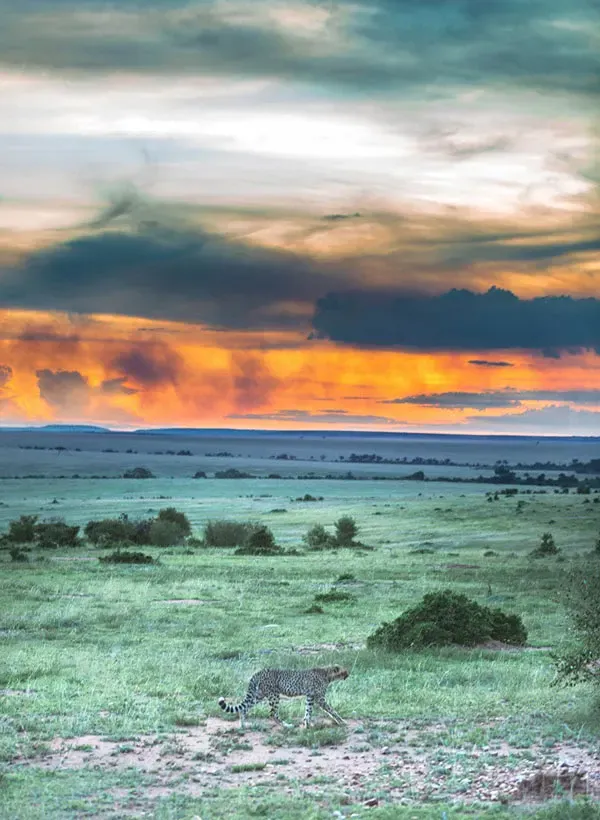
The Maasai Mara National Reserve is widely considered the crown jewel of African wildlife viewing. Spanning 1,510 square kilometers (580 square miles) in southwestern Kenya, it offers a quintessential safari experience: rolling savannahs, iconic acacia trees, and an unparalleled density of apex predators.
1. When to Go: Timing Your Visit
The "best" time depends entirely on whether you want to witness the Great Migration or enjoy a quieter, more intimate bush experience.
Peak Season (July – October): This is the time of the Great Migration. Over 1.5 million wildebeest, zebras, and gazelles arrive from the Serengeti. This is the best time for dramatic river crossings at the Mara River, but expect high visitor numbers.Masai Mara Safari: A Complete Planning Guide
Shoulder Season (November – March): Often called the "Green Season" or "Calving Season." The rains bring lush landscapes and newborn animals. Birdwatching is at its peak, and predator activity remains high.
Low Season (April – June): The "Long Rains." Some camps close, but for those that stay open, prices are significantly lower, and the "Mara" is yours alone.
2. Costs of a Masai Mara Safari
The price of a safari varies based on the level of luxury and whether you fly or drive into the reserve.
Park Entrance Fees
Park fees range from US$100 to US$200 per person per day.
Seasonal Pricing: The fee varies by season of your visit rather than your accommodation location.
Universal Application: This fee applies regardless of whether you are staying at a lodge inside the reserve or a camp just outside the gates.
Average Daily Budget (Excluding Park Fees)
Budget ($150 – $250 per day): Includes "overland" style tours, staying in permanent tented camps or campsites outside the main gates, and traveling by road from Nairobi in a 4x4 safari van.
Mid-Range ($400 – $700 per day): Typically involves staying in comfortable boutique lodges or tented camps. Food and two game drives per day are usually included.
Luxury ($900 – $2,500+ per day): Usually located in private conservancies. Includes fly-in transfers, gourmet meals, premium drinks, private guides, and exclusive activities like night drives and bush walks.
3. Best Masai Mara Safari Accommodation
Choosing the right "base" is crucial. Here are the top-rated options by category:
Ultra-Luxury (The "Bucket List" Stay)
Angama Mara: Perched on the Oloololo Escarpment with a "birds-eye" view of the entire Mara. This is where many scenes from Out of Africa were filmed.
Mara Plains Camp: An exquisite, eco-luxury camp located in the Olare Motorogi Conservancy, offering one of the most private experiences in the ecosystem.
Authentic Tented Luxury
Governors' Camp: A historic camp located right on the Mara River. It has no fences, allowing wildlife to wander freely through the grounds.
Sand River Masai Mara: Located near the Tanzanian border, this camp recreates the glamour of 1920s-style safaris.
Best for Families & Groups
Sarova Mara Game Camp: A larger, well-equipped camp with a swimming pool and club facilities, making it ideal for those traveling with children.
House in the Wild: A private "home-stay" style lodge on the banks of the Mara River, perfect for multi-generational families.
4. National Reserve vs. Private Conservancies
The National Reserve
Pros: Access to the famous Mara River crossing points; anyone can enter with a park fee.
Cons: Can become crowded; strictly no off-roading or night drives allowed.
The Conservancies (e.g., Mara North, Olare Motorogi)
Pros: Land leased from Maasai landowners. Lower vehicle density, off-roading permitted, and night drives allowed.
Cons: Higher price point; usually requires a drive to see the main migration crossings.
5. Wildlife Highlights
- The Big Cats: World-renowned for lion prides, leopards in riverine forests, and high cheetah concentrations.
- The Great Migration: The life-and-death struggle of wildebeest crossing the crocodile-infested Mara River.
- Rare Sightings: Bat-eared foxes, Serval cats, and the occasional African Wild Dog.
6. Cultural Experiences
A visit to the Mara is incomplete without engaging with the Maasai people.
- Manyatta Visits: Learn about customs, beadwork, and traditional jumping dances.
- Community Support: Staying in a conservancy helps fund local schools, healthcare, and livestock management.
7. Essential Safari Activities
- Game Drives: Usually at dawn and dusk.
- Hot Air Balloon Safari: Drift over the plains at sunrise, followed by a champagne breakfast.
- Walking Safaris: Led by armed rangers and Maasai guides (mostly in conservancies).
8. Practical Travel Tips
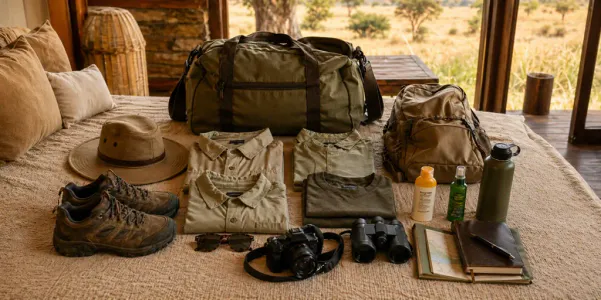
- Packing: Layers (cold mornings, hot afternoons), neutral colors (khaki, olive), and high-SPF sunblock.
- Health: The Mara is a malaria-risk zone. Consult a doctor regarding prophylactics.
- Logistics: Flying from Nairobi (45 mins) is highly recommended over the 5–6 hour "African massage" drive.
The "Mara" Etiquette
- Never encourage your driver to get too close to an animal.
- Keep voices low during sightings.
- Take nothing but photos, leave nothing but footprints.
.jpg_1784962360143.webp?color=cac6b6%2C908d57&width=601&height=376)

.jpg_1784965072251.webp?color=c3cbcd%2C302c10&width=601&height=376)