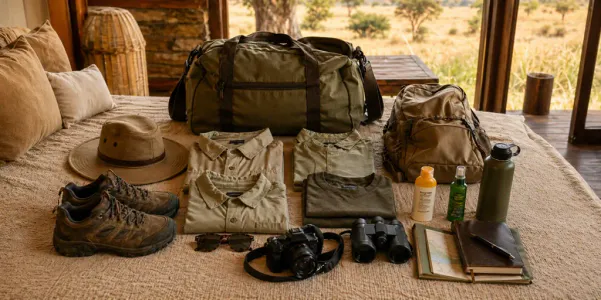

While the Masai Mara offers rolling green plains, the Samburu National Reserve provides a stark, beautiful contrast. Located in the arid northern frontier of Kenya, Samburu is a place of red dust, doum palms, and the Ewaso Nyiro River—the lifeblood of this desert ecosystem.
1. Why Visit Samburu?
Samburu is often favored by "safari purists" who want to escape the higher vehicle densities of the southern parks. It offers a raw, wilderness feel and is the only place where you can see a specific set of animals adapted to arid conditions, known as the Samburu Special Five.
2. The Samburu Special Five
You will find many of the standard "Big Five" here (lions, leopards, and elephants are abundant), but the highlights of a Samburu safari are these endemic species:
1. Reticulated Giraffe: Characterized by its striking, large polygonal liver-colored spots outlined by a network of bright white lines.
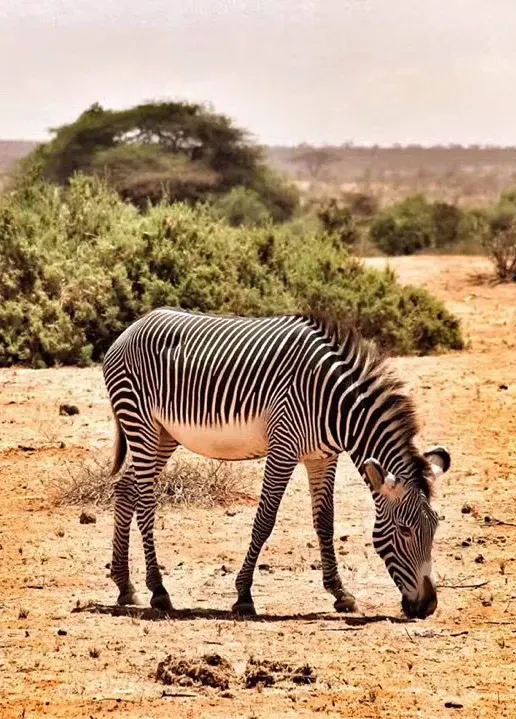
2. Grevy’s Zebra: Larger than the common plains zebra, with narrower stripes and large, rounded "Mickey Mouse" ears.
3. Somali Ostrich: Distinct from the common ostrich by its blue-grey neck and thighs.
4. Beisa Oryx: A magnificent antelope with long, straight horns and distinct black markings on its face.
5. Gerenuk: Also known as the "giraffe-neck antelope," it is famous for standing on its hind legs to reach high acacia leaves.
3. Best Time to Visit
Dry Season (June to October / December to March): This is the best time for wildlife viewing. As the surrounding bush dries up, animals congregate in massive numbers along the Ewaso Nyiro River, making sightings predictable and spectacular.
Birding Season (November to April): Migratory birds arrive, joining the 450+ resident species.
4. Where to Stay: Top Lodge Recommendations
Samburu offers some of the most architecturally stunning and eco-conscious lodges in East Africa.
| Lodge Type | Recommendation | Why Stay Here? |
|---|---|---|
| Ultra-Luxury | Sasaab (The Safari Collection) | Moroccan-style architecture with private plunge pools overlooking the river. |
| Boutique/Unique | Saruni Samburu | Built into a massive volcanic rock face with 360-degree views of the Kalama Conservancy. |
| Authentic Tented | Elephant Bedroom Camp | Located right on the river banks; elephants often walk through the camp to graze. |
| Eco-Focused | Elephant Watch Camp | Founded by the Douglas-Hamilton family (Save the Elephants), offering deep insights into elephant behavior. |
5. Cultural Interaction: The Samburu People
The Samburu people are cousins of the Maasai and share a similar pastoralist lifestyle, but they have maintained a more traditional way of life due to their remote location.
The Singing Wells: During the dry season, Samburu warriors lead their cattle to "singing wells." They dig deep into the dry riverbeds and sing a unique family song. The cattle recognize their owners' voices and come down to drink. Note: This is a sacred ritual; photography is usually prohibited.
6. How to Get There
By Air: The most common way is a 1.5-hour flight from Nairobi’s Wilson Airport (WIL) to the Samburu/Buffalo Springs airstrips.
By Road: A 6-hour drive from Nairobi. The road is well-paved for the most part, passing through the highlands near Mt. Kenya, offering a scenic transition from lush greenery to arid scrubland.
7. Pro-Tip: The "Northern Circuit."
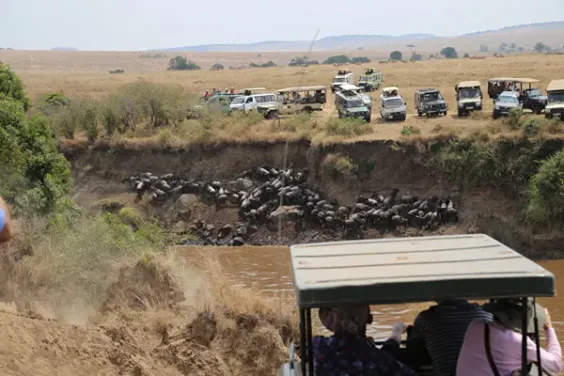
To get the most out of Kenya, many travelers combine Samburu with the Masai Mara.
- 3 Nights Samburu: For the Special Five, desert landscapes, and culture.
- 3 Nights Masai Mara: For the Great Migration and high predator action.
.jpg_1784962360143.webp?color=cac6b6%2C908d57&width=601&height=376)

.jpg_1784965072251.webp?color=c3cbcd%2C302c10&width=601&height=376)