
-Clothing-Colors-Luggage-Rules-Essential-Gear.jpg_1765175309583.webp)
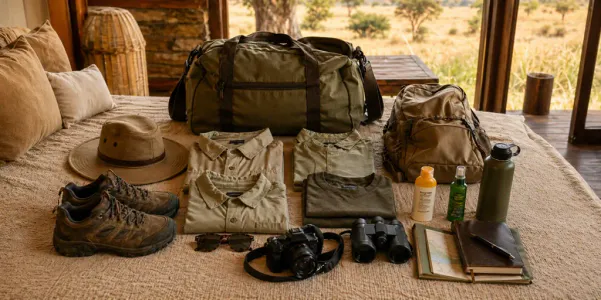
A Kenya safari requires neutral-colored layered clothing, soft-sided luggage, telephoto camera
The Essential Guide: What to Pack for Your Kenya Safari
A safari in Kenya, whether you're exploring Amboseli's elephant herds or witnessing the Great Migration in the Maasai Mara, requires strategic packing. Due to dust, dramatic temperature swings, and strict baggage limits on internal flights, knowing the packing dos and don'ts is crucial for your comfort and safety.
1. The Kenya Safari Clothing Code: Function and Color
The clothes you choose are about more than just comfort—they are part of your safari etiquette. A. Layering is Your Best Friend Kenya's climate dictates layers. Early morning and evening game drives are often freezing in an open vehicle, but midday temperatures can soar. Pack clothes that are easy to put on and take off: Warm Outer Layer (MANDATORY): One quality fleece jacket or down vest is essential for chilly pre-dawn starts. Long-Sleeve Shirts (2–3): Use lightweight, breathable fabrics (cotton/linen blends) to protect your arms from the fierce sun and mosquitoes. Convertible Trousers (2): Zip-off pants are highly versatile, letting you adapt from cool mornings to hot afternoons in a snap. T-Shirts/Vests (3–4): Serve as base layers for the hottest parts of the day. B. The Right Colors for the Bush To avoid attracting biting insects and startling wildlife, stick to neutral colors. Recommended Neutral Tones: Khaki, tan, olive green, sand, and beige. These blend into the Kenyan bush and help hide dust. Colors to Avoid: Dark Blue and Black are known attractants for tsetse flies in some areas of Kenya. Avoid Bright White (shows dust immediately) and Camouflage (reserved for military).
2. Photography Gear and Viewing Essentials
Don't miss a single leopard sighting! Your electronic gear is vital for documentation and enjoyment. Binoculars (Non-Negotiable): While your guide will have a pair, having your own high-quality binoculars (8x42 or 10x42 is ideal) ensures you don't miss any distant action. Camera with Telephoto Lens: For wildlife photography, a 200mm lens (minimum) is necessary to capture animals without disturbing them. Pack a sturdy, dust-proof bag for your valuable camera equipment. Power and Storage: Bring extra batteries and memory cards. Charging opportunities are often limited to short generator hours in remote tented camps. Dust Protection: Pack a rocket blower and microfiber cloths—the Kenyan dust is fine and pervasive.
3. Critical Health, Safety, and Footwear
Preparation here prevents discomfort and delays. Footwear: Comfortable, closed-toe shoes or light hiking boots are best for game drives and any light bush walks. Bring sandals/flip-flops for relaxing at the lodge. Head Protection: A wide-brimmed hat is essential for sun protection. Use a chin strap to prevent it from slipping off on windy game drives. Sun & Insect Protection: High-SPF Sunscreen and lip balm (the sun is intense at the equator). Insect Repellent (High DEET or Picaridin) is crucial, especially at dusk and dawn. Consult your doctor about the required anti-malarials for your travel zone.
4. Luggage Rules for Kenya's Internal Flights
This is the most critical logistical detail for any Kenya safari itinerary involving internal air transfers (e.g., from Nairobi to the Maasai Mara). You must pack a soft-sided duffel bag. A hard suitcase will not fit into the small storage holds of the light aircraft used between camps. Weight Restriction: The limit is often strict, typically 15-20kg (33-44 lbs) total per person, including carry-on baggage. Confirm the precise limit with your tour operator before you fly.
5. Power and Documents Checklist
Universal Travel Adapter: Kenya primarily uses the Type G (UK-style three-pin) plug. A universal adapter is key to connecting your chargers. Portable Power Bank: Essential for charging devices during full-day game drives. Flashlight/Headlamp: Required for navigating camps after dark, as lighting is often minimal. Documents: Ensure you have your Passport, Visas, Yellow Fever Certificate (if required), and printed copies of flight and lodge confirmations. Bring local cash (USD or Kenyan Shillings) for tipping.
.jpg_1784962360143.webp?color=cac6b6%2C908d57&width=601&height=376)

.jpg_1784965072251.webp?color=c3cbcd%2C302c10&width=601&height=376)