
Serengeti Safari Planning: Quick Answer
The Serengeti is best visited year-round, with the Great Migration moving seasonally between the southern plains (Jan–Mar), western corridor (May–July), and northern river crossings (Aug–Sept). First-time visitors should focus on Central Serengeti (Seronera), while photographers and repeat travelers benefit from Southern Serengeti or Ndutu during calving season. Most safaris cost $550–$1,600 per person per day, depending on the level of comfort.
Spanning nearly 15,000 square kilometers of Tanzanian wilderness, Serengeti National Park is the quintessential African safari destination. Derived from the Maasai word Siringet—meaning "the land that moves on forever"—this UNESCO World Heritage site hosts the most diverse and high-density wildlife populations on Earth.
Whether you seek the thrill of the Great Migration or the elusive leopard in the Seronera Valley, this guide offers practical advice to help you plan a smooth journey.
1. Fast Facts: The Serengeti at a Glance
- Total Ecosystem Area: 30,000 sq km (including Kenya’s Masai Mara).
- The Big Five: Home to Lion, Leopard, Elephant, and Buffalo. Rhinos are present but elusive (best found in the North).
- The Great Migration: The world's second-largest land mammal migration (over 1.5 million wildebeest).
- Peak Season: July to October (Dry season/River crossings).
- Green Season: November to May (Lush landscapes/Lower costs).
2. Regional Breakdown: Where to Go
The Serengeti is too vast to see in one trip. Choosing the right region depends entirely on the time of year and your wildlife priorities.
Central Serengeti (Seronera Valley)
- Vibe: The park's "beating heart."
- Wildlife: Highest density of large cats (Leopards are a specialty here).
- Best For: Year-round sightings and first-time visitors.
- Note: This is the most accessible and busiest region.
- Choose this area if: you want reliable wildlife year-round and minimal internal travel.
Northern Serengeti (Lamai & Kogatende)
- Vibe: Remote, rugged, and dramatic.
- Wildlife: The site of the legendary Mara River crossings.
- Best For: High-drama migration sightings and travelers looking to escape the Seronera crowds.
- Expert Tip: Experience the Lamai Wedge for a more exclusive atmosphere, with occasional off-road driving permitted in private concessions.
Western Corridor (Grumeti)
- Vibe: Secluded and swampy.
- Wildlife: Famous for giant Nile Crocodiles and the Grumeti River crossing (May–July).
- Best For: Luxury seekers at private reserves like Singita Grumeti.
Southern & Eastern Serengeti (Ndutu/Namiri)
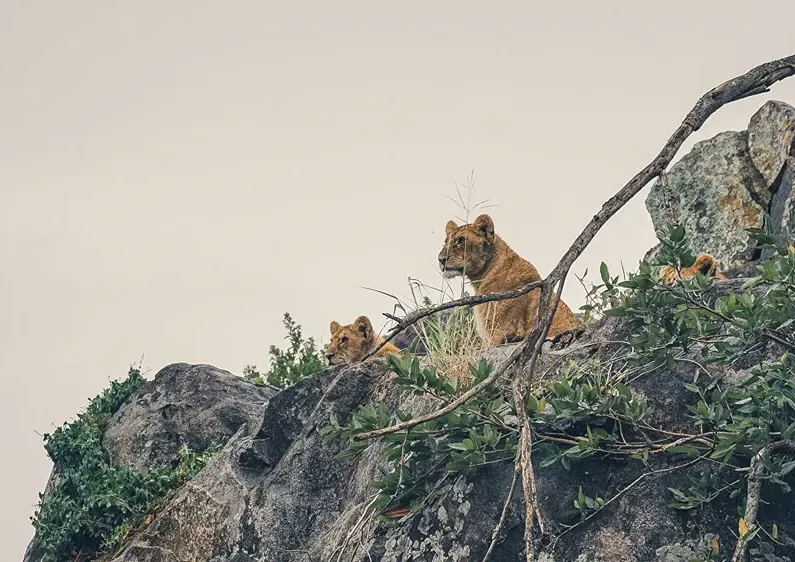
- Vibe: Short-grass plains and "lion-on-kopje" scenery.
- Wildlife: The calving season (February) brings 8,000 births per day, followed by intense predator action.
- Best For: Cheetah sightings and wide-angle photography.
3. Timing Your Trip: The Migration Calendar
While the Serengeti is a year-round destination, the "Great Gnu Move" follows a predictable cycle based on rainfall.
Note: Migration timing can shift by 2–3 weeks depending on rainfall, but this calendar reflects long-term patterns.
| Month | Migration Location | Key Activity |
|---|---|---|
| Jan – March | Southern Serengeti | Calving Season: High predator activity. |
| April – May | Western/Central | The Mating Season: Lush green landscapes. |
| June – July | Western Corridor | Grumeti River: Treacherous crossings. |
| Aug – Sept | Northern Serengeti | Mara River: The "Main Event" crossings. |
| Oct – Dec | North to South | The Return: Moving back to the plains. |
4. Top Safari Activities
Beyond the traditional game drive, the Serengeti offers unique ways to experience the wild:
1. Hot Air Balloon Safaris: Best experienced at dawn. A silent flight over the migration is a memorable experience.
2. Walking Safaris: Permitted in specific private concessions (like the Lamai Wedge or Grumeti), offering a microscopic view of the bush.
3. Mobile Tented Camps: These camps "move" 2-3 times a year to stay within proximity of the migration herds.
4. Birdwatching: With over 500 species, it is a world-class destination for ornithologists.
5. Logistics: Getting There & Budgeting
How to Reach the Park
- International Entry: Fly into Kilimanjaro International (JRO).
- The "Bush Plane": Small charter flights from Arusha (ARK) to various dirt airstrips (Seronera, Kogatende) are the most efficient way to travel.
- The Drive: A 7-8 hour drive from Arusha is possible, often including a night at Ngorongoro Crater to break up the trip.
Estimated Daily Costs (Per Person)
| Tier | Low Season (Green) | High Season (Peak) |
|---|---|---|
| 4-Star Comfort | $550 – $700 | $700 – $900 |
| Luxury Safari | $900 – $1,300 | $1,200 – $1,600 |
| Ultra-Luxury | $1,500+ | $2,000+ |
These estimates typically include accommodation, park fees, guiding, meals, and game drives, but exclude international flights. Looking for current safari prices and itineraries? Compare Tanzania safari tours from local operators.
6. Expert Travel Tips
- Book 12 Months Out: For river crossing season (July/August), the best-located camps fill up a year in advance.
- The "Green Season" Advantage: Traveling in November or May provides excellent lighting for photography, fewer visitors, and significantly reduced lodge rates.
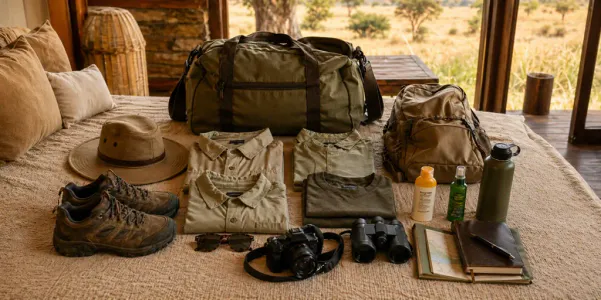
- Tsetse Fly Warning: Avoid wearing dark blue or black, as these colors attract Tsetse flies. Stick to khaki, olive, and tan.
- Duration: Spend at least 4 nights. Anything less feels rushed due to the travel time between regions.
Because Serengeti itineraries vary widely by season and region, most travelers work with local safari operators to match camps, routes, and timing. SafariGo allows you to compare local Tanzania tour operators, request quotations directly, and plan a safari that matches your travel dates and budget. Browse available Tanzania safari tours here
7. Beyond the Serengeti: Nearby Combinations
- Ngorongoro Crater: Best for guaranteed "Big Five" sightings in a single day.
- Zanzibar: The perfect "Bush to Beach" finale—only an 80-minute flight from the Seronera airstrip.
- Tarangire: Known for massive Elephant herds and Baobab trees.
Which Serengeti Safari Is Right for You?
First-time safari → Central Serengeti + Ngorongoro
Migration crossings → Northern Serengeti (Aug–Sept)
Photography → Ndutu (Feb) or Lamai Wedge
Luxury & privacy → Grumeti private reserves
Short trips → Fly-in safaris (2–4 nights)
Frequently Asked Questions About Serengeti Safaris
What is the best time to go on a Serengeti safari?
The Serengeti can be visited year-round, but the best time depends on your goals. January to March is ideal for calving season in the southern Serengeti, while August to September offers the most dramatic Great Migration river crossings in the north. June to October provides the best overall wildlife visibility during the dry season.
Where is the best place to stay in the Serengeti?
First-time visitors should stay in the Central Serengeti (Seronera) for year-round wildlife sightings. Travelers focused on the Great Migration should choose Northern Serengeti camps between August and September, while photographers benefit from Ndutu during calving season.
How much does a Serengeti safari cost?
Most Serengeti safaris cost between $550 and $1,600 per person per day, depending on travel season, accommodation level, and safari style. Luxury and ultra-luxury safaris can exceed $2,000 per day, especially during peak migration months.
👉 See a detailed breakdown in this Serengeti safari cost guide.
How many days do you need in the Serengeti?
A minimum of 4 nights is recommended to account for travel time between regions. Shorter trips feel rushed, while 5–7 nights allow travelers to combine multiple Serengeti regions or add Ngorongoro Crater.
Can you see the Big Five in the Serengeti?
Yes, the Serengeti is home to lions, leopards, elephants, and buffalo year-round. Rhinos are present but extremely rare and are occasionally seen in the northern ecosystem near the Mara region.
Is a fly-in Serengeti safari worth it?
Yes. Fly-in safaris save significant travel time, especially for short itineraries or northern Serengeti trips. They are ideal for travelers with limited time or those combining the Serengeti with Zanzibar.
Should I combine the Serengeti with Ngorongoro Crater?
Yes. Combining Serengeti National Park with Ngorongoro Crater creates a well-balanced safari, pairing vast wilderness with one of Africa’s highest-density wildlife areas. This is the most popular Northern Circuit itinerary.
.jpg_1784962360143.webp?color=cac6b6%2C908d57&width=601&height=376)

.jpg_1784965072251.webp?color=c3cbcd%2C302c10&width=601&height=376)