The best time to visit Madagascar is generally the Dry Season (April to October). This period offers the most reliable travel conditions, lower malaria risk, and excellent opportunities for wildlife spotting. However, the ideal timing can depend heavily on your primary goals, whether you are seeking dry roads, specific wildlife births, or optimal diving conditions.
The Dry Season (April – October)
This is the peak travel window. Weather is cooler and drier, especially in the central highlands and the South.
Pros: Minimal rainfall makes transport much easier, reducing travel times. Wildlife is often more active and easier to spot as they forage for water. Best time for hiking and Tsingy exploration.
Cons: Higher prices, especially during July and August. Can be chilly in the highlands.
Best For: First-time visitors, hiking, all-around wildlife viewing, and accessing remote parks in the West and South.
The Shoulder Season (November – December)
A favorite period for specialist wildlife enthusiasts, just before the heavy rains begin.
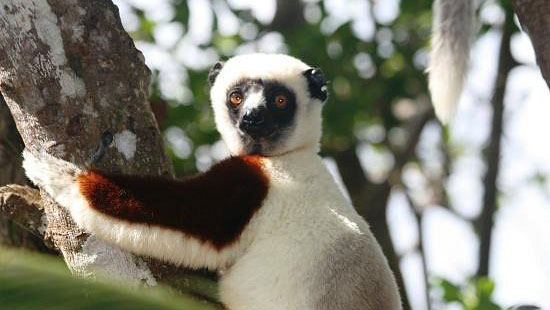
Pros: The "baby boom" period—many lemur species, including ring-tails and sifakas, give birth. The landscape is lush, green, and vibrant. Lower crowds than mid-year.
Cons: Heat and humidity begin to rise significantly. Early signs of cyclones may affect coastal travel in December.
Best For: Serious wildlife photographers, seeing newborn lemurs, and birdwatching.
The Wet Season (January – March)
This period is generally discouraged for international travel.
Pros: Lowest prices and fewest tourists. Excellent for amphibian and reptile enthusiasts.
Cons: This is the height of cyclone season. Many national parks and reserves, particularly those reliant on 4x4 access (like the West's Tsingy), close entirely. Internal flights are more prone to cancellation.
Best For: Travelers focused only on coastal areas or very specific, accessible rainforest parks (if conditions allow).
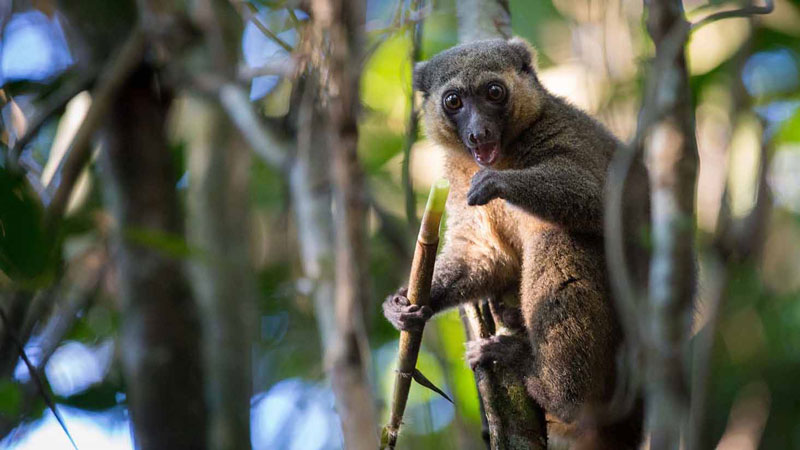
Madagascar is defined by its staggering level of endemism; roughly 90% of its wildlife is found nowhere else on Earth. The undisputed rulers of this kingdom are the lemurs, primates that evolved in isolation for millions of years.
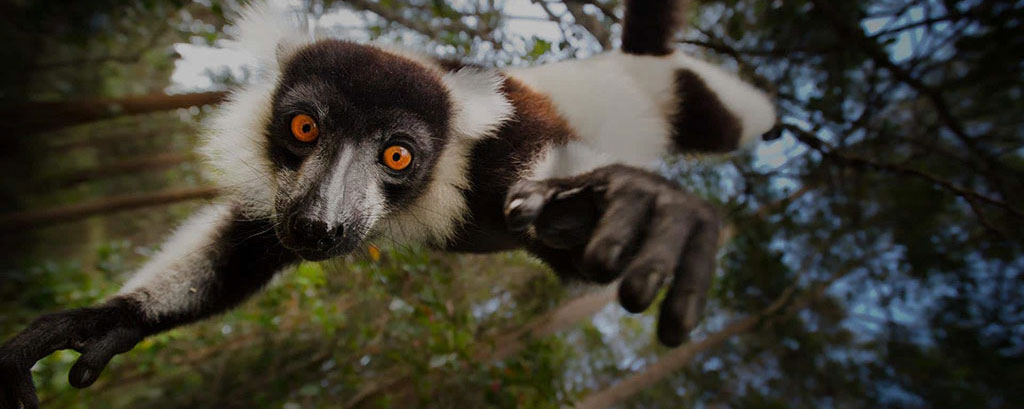
The Indri Lemur: Found exclusively in the Eastern Rainforests (e.g., Andasibe-Mantadia). Famous for its loud, haunting, whale-like calls that echo through the misty canopy. It is the largest living lemur species.
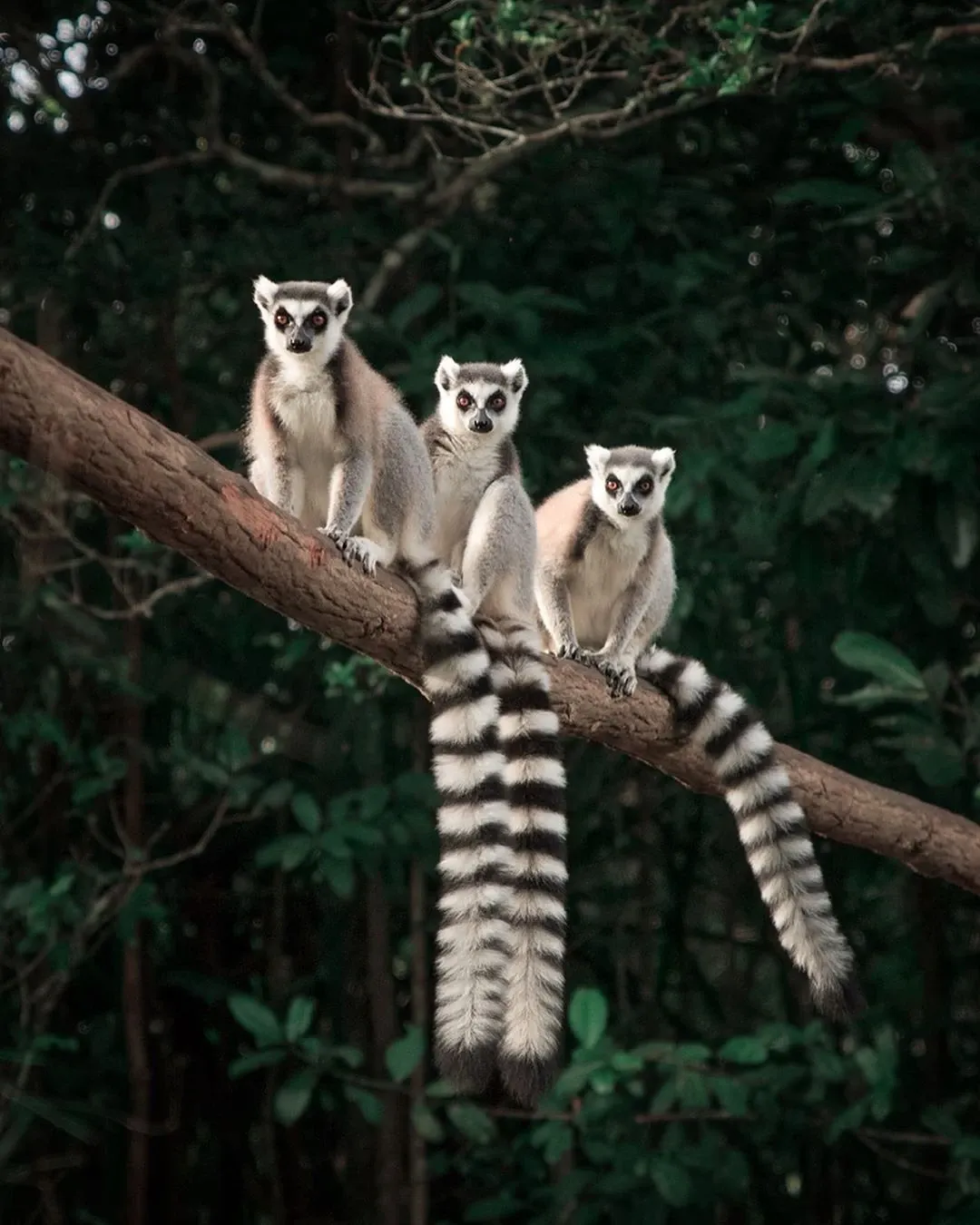
The Ring-Tailed Lemur: The iconic, sun-worshipping lemur, easily identified by its black-and-white striped tail. Highly social and found predominantly in the arid Southern and Southwestern regions.
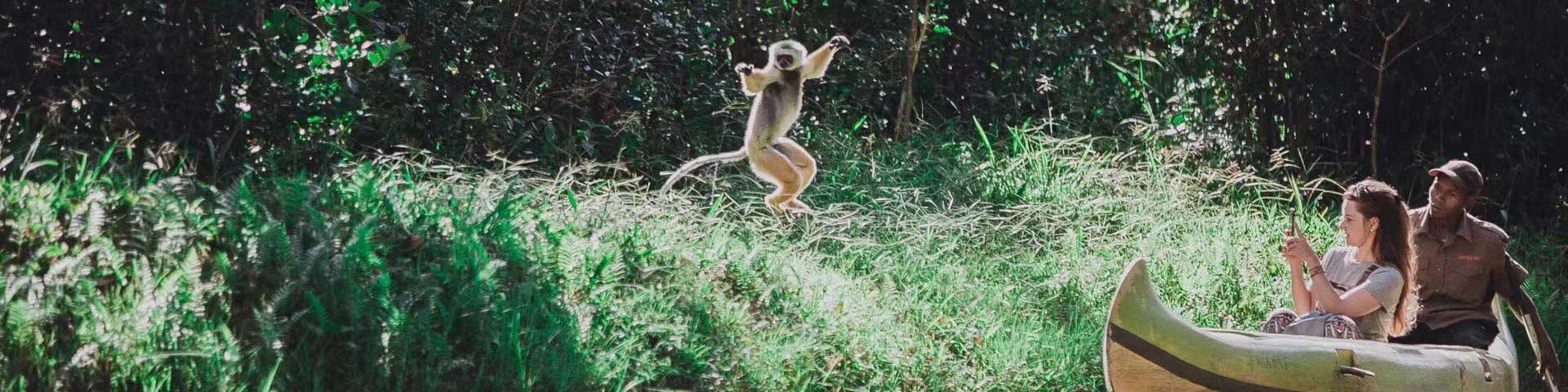
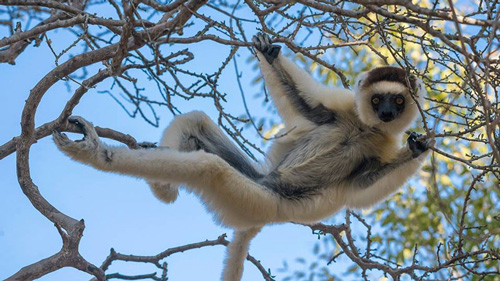
The Verreaux's Sifaka (Dancing Lemur): Known for its unique, bounding movement across open ground, often described as "dancing." Found in the dry forests of the West and South.
The Aye-Aye: A rare, nocturnal primate with rodent-like teeth and a long, specialized middle finger used to tap for and extract insect larvae from wood. Sighting the Aye-Aye is a major goal for many visitors.
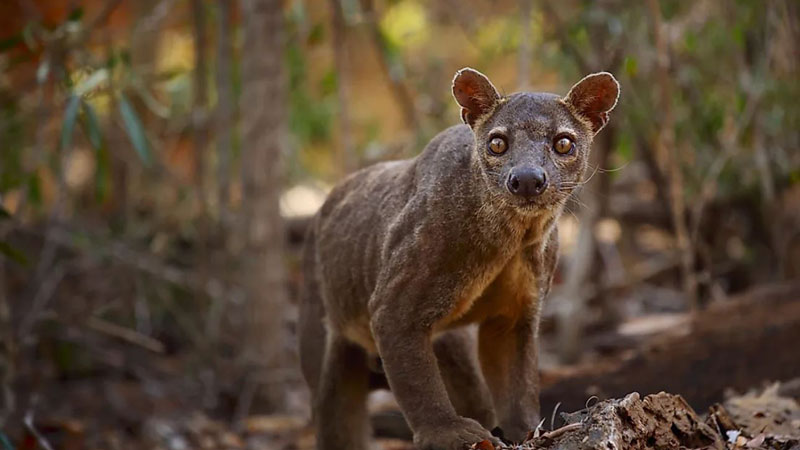
Beyond the lemurs, look out for the bizarre Fossa (the island's largest mammalian predator), over half of the world's chameleons (from tiny leaf chameleons to the massive Parson's chameleon), and the unique hedgehog-like tenrecs.
To plan an effective itinerary, you must understand the three distinct geographical biomes of the island. Combining two or more regions typically requires expensive and time-consuming internal transport.
The East (Tropical Rainforest & Highlands)
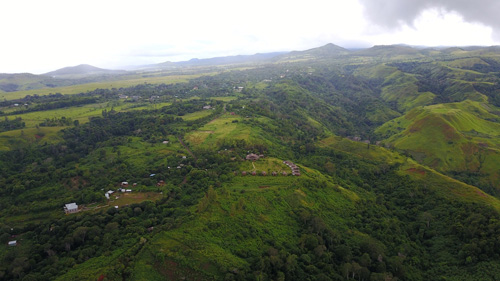
This biome features lush, mountainous rainforests, high humidity, and consistent rainfall. It is the most accessible region from the capital, Antananarivo (Tana).
Key Parks: Andasibe-Mantadia National Park (the best place to see the Indri), Ranomafana National Park (known for cloud forests and 13 lemur species).
Ecosystem: Dense, wet, and often misty forests perfect for ground-level reptiles, frogs, and large arboreal lemurs.
Travel Goal: Seeing the Indri and experiencing classic, primary rainforest trekking.
The West (Tsingy, Rivers, and Baobabs)
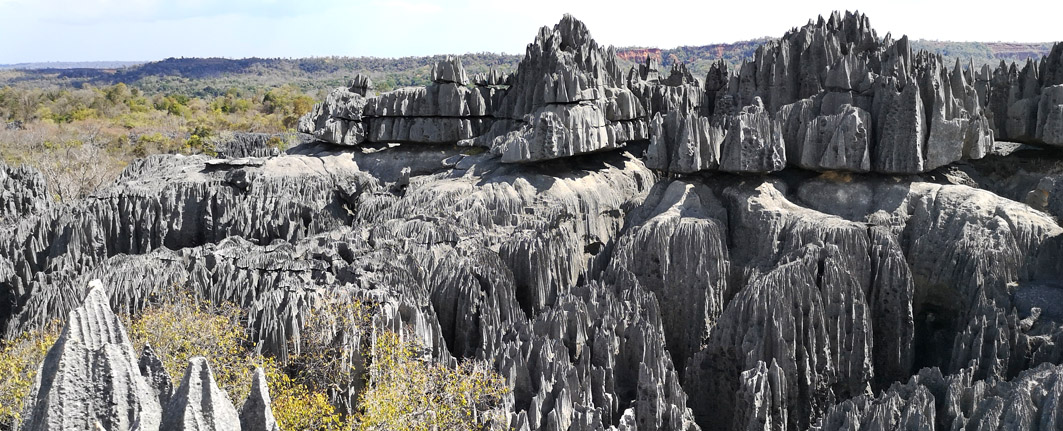
The western flank is characterized by dry deciduous forests, vast plains, and the geological marvels of the limestone karst landscape.
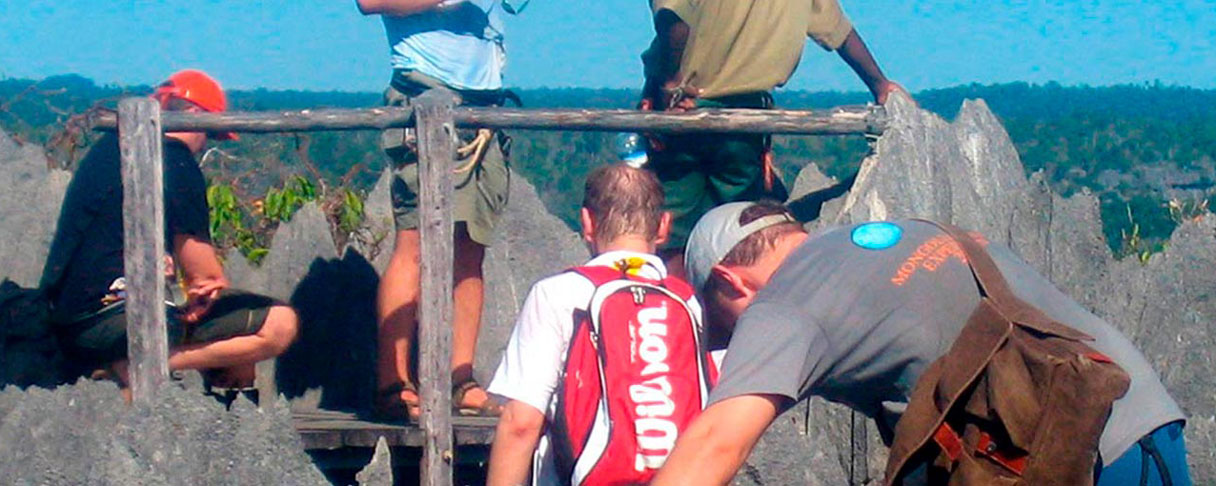
Key Parks: Tsingy de Bemaraha National Park (a UNESCO World Heritage Site of razor-sharp limestone pinnacles), Kirindy Forest Reserve (home to the Fossa).
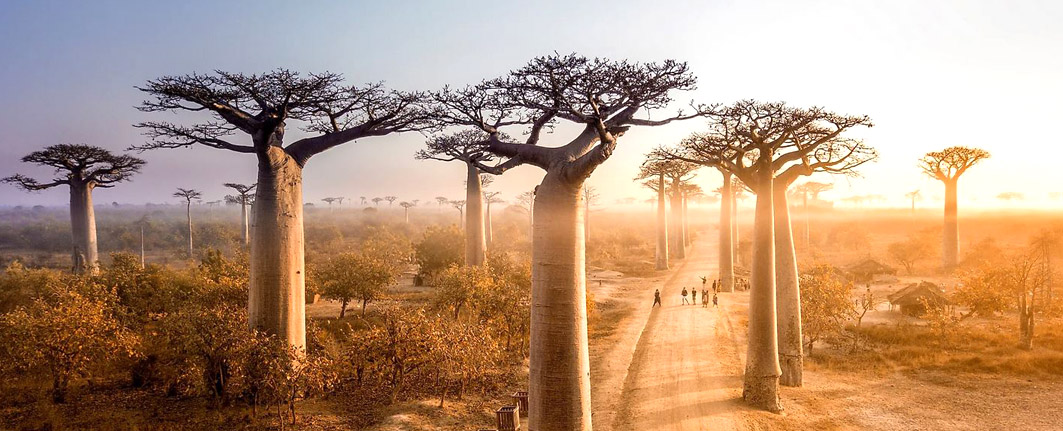
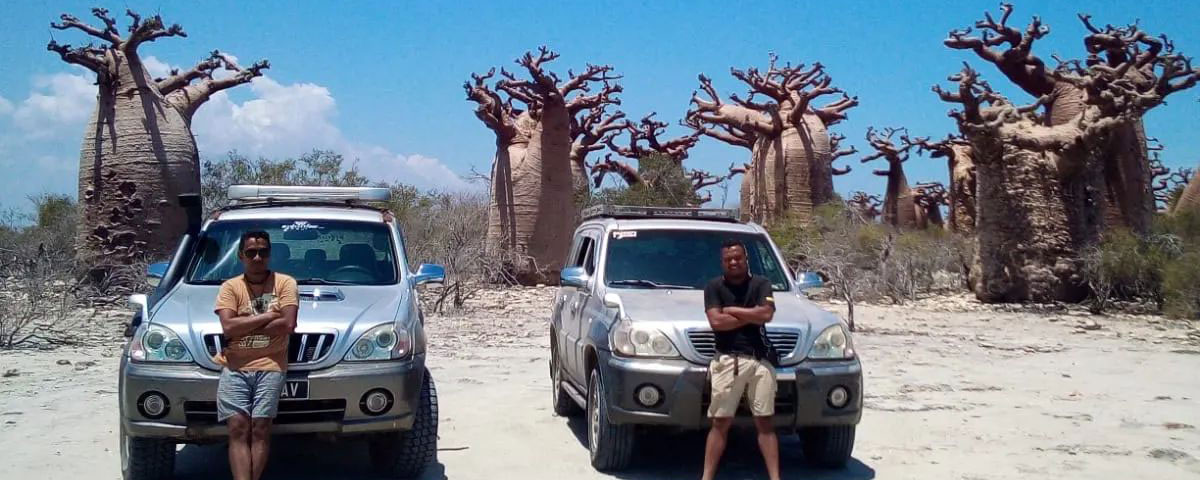
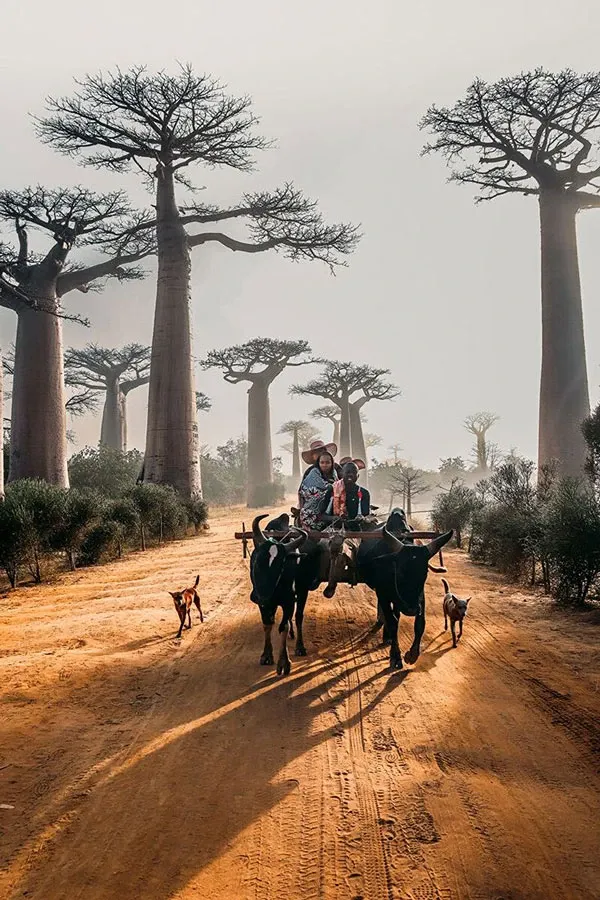
Ecosystem: Dry spiny scrub and coastal plains. Home to the iconic Avenue of the Baobabs near Morondava.
Travel Goal: Challenging trekking over the Tsingy and witnessing the magnificent Sifaka lemurs leaping between trees.
The South (Arid Desert and Spiny Forest)
The driest and hottest part of Madagascar, featuring the surreal Spiny Forest—a bizarre landscape of drought-resistant, cactus-like flora found nowhere else.
Key Parks: Isalo National Park (sandstone massif perfect for hiking and natural swimming pools), Berenty Private Reserve (famous for highly visible Ring-Tailed Lemurs).
Ecosystem: Semi-arid scrubland and canyons. Sights are focused on the unique flora and sun-loving lemurs.
Travel Goal: Easy and reliable Ring-Tailed Lemur and Sifaka sightings, alongside dramatic, alien landscapes.
Travel in Madagascar is less about luxury and more about logistical preparedness. Due to the infrastructure limitations, costs often skew higher than expected for a developing nation.
Daily Cost Estimates (Per Person/Day)
Budget
Basic bungalows, local transport (buses)
Shared taxis (Taxi-brousse)
$100 - $150
Focused on one region; high flexibility needed.
Mid-Range
Comfortable lodges, private local hotels
Chartered 4x4 with driver/guide; limited flights
$300 - $450
Good comfort; covers 2-3 main regions over 14 days.
Luxury
Best available lodges, private reserves
Internal flights; top-tier guiding/vehicles
$600+
Focus on remote access and minimizing travel time.
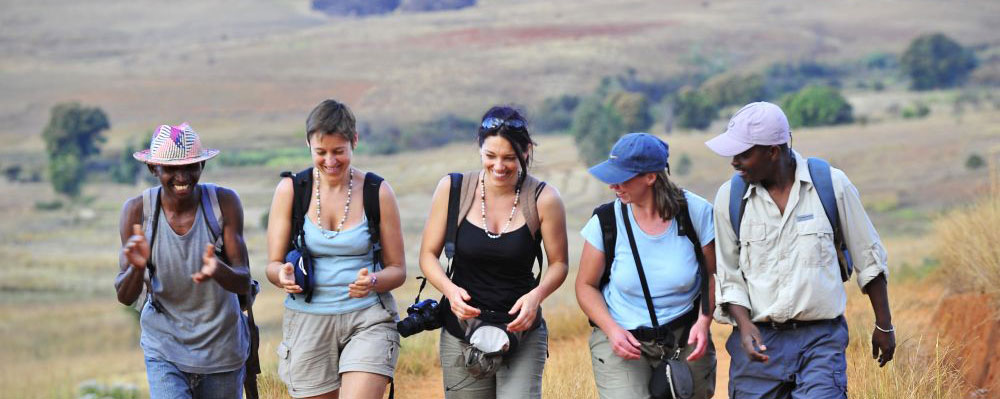
1.Guided Travel is Recommended: Self-driving is highly discouraged due to dangerous road conditions, complex navigation, and local security concerns. Booking with a reputable local agency is the safest and most efficient way to travel
2.Internal Transport: Budget for internal flights (Tana to Toliara, or Tana to Morondava) to save days of arduous driving. These flights are often expensive and subject to change.
3.Health Precautions: Consult a travel clinic well in advance. Malaria prophylaxis is essential, especially in coastal and rainforest regions. Vaccinations for Hepatitis A/B and Typhoid are strongly advised.
4.Language: French is widely spoken, but the local language, Malagasy, is essential for truly rural interactions. English is limited to high-end hotels and main tourist guides.