
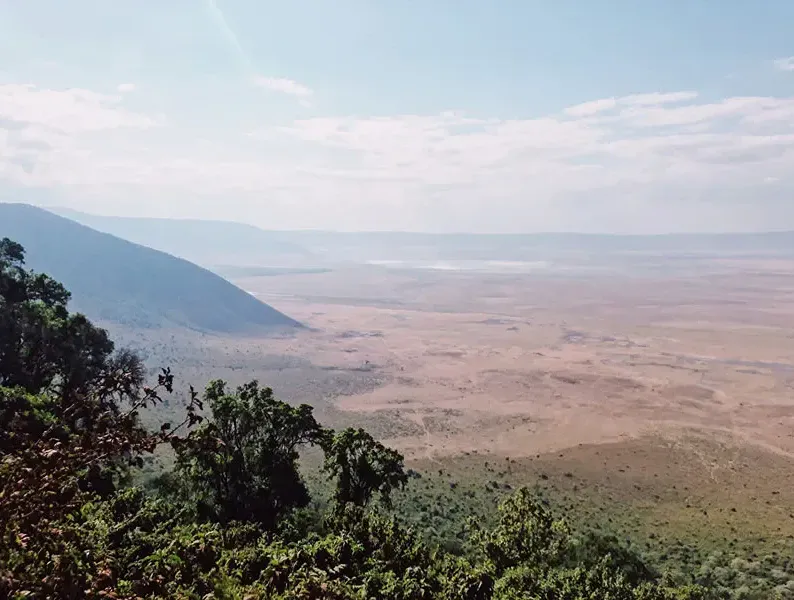
Ngorongoro Crater is the world’s largest intact volcanic caldera and a standout destination for seeing all five of Africa’s iconic Big Five species in a single day. Set in northern Tanzania, the crater is known for its dense wildlife populations, striking landscapes, and reliable year-round game viewing. Most travelers visit the crater on a full-day safari, often as part of Tanzania’s Northern Circuit.
Wildlife, History, Costs & Best Time to Visit
Ngorongoro Crater is one of Africa’s most remarkable natural wonders, famous for its enclosed ecosystem that supports exceptionally high wildlife densities.
📍 Location & Logistics
- Region: Northern Tanzania, part of the "Northern Tanzania Safari Circuit."
- Neighbors: Bordered by the Serengeti National Park and Lake Manyara.
- Distance from Arusha: ~180 km (approx. 4–5 hours by road).
- Elevation: ~2,200 meters (7,200 ft) at the rim.
- Note: The rim is significantly cooler than the crater floor; bring layers for early morning drives.
🌋 The Natural Wonder: By the Numbers
Over 2 million years ago, a massive volcano collapsed, forming the crater—a geological masterpiece:
- Width: ~19 km
- Depth: ~600 meters
- Area: ~260 square kilometers
- Status: Fully intact and unfilled with water, creating a unique self-contained ecosystem.
🐾 Predator-Prey Density Comparison
Thanks to its enclosed geography, Ngorongoro Crater supports unusually high predator and prey concentrations within a relatively small area.
| Species | Estimated Population | Trend (2023-2025) |
|---|---|---|
| Lions | 65-75 | Stable (Highly Inbred) |
| Black Rhino | 30+ | Increasing (High Protection) |
| Hyenas | 400+ | Dominant Predator |
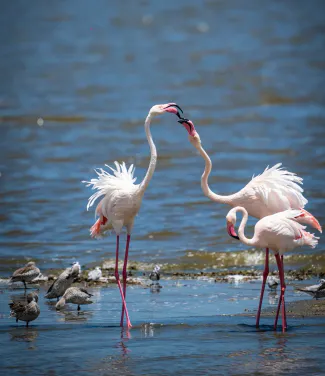
Birdlife: Over 500 species, including Flamingos at Lake Magadi (seasonal) and the majestic Crowned Crane.
📊 Comparison: Ngorongoro vs. Serengeti
Travelers often compare Ngorongoro with the Serengeti when planning a Tanzania safari itinerary.
| Feature | Ngorongoro Crater | Serengeti National Park |
|---|---|---|
| Size | Compact & Contained | Vast & Endless |
| Wildlife Density | Extremely High | Wide-ranging / Migratory |
| Game Drives | Short, Intense (1 day) | Long, Exploratory (3+ days) |
| Migration | Resident Animals | The Great Migration Route |
| Crowds | High (Can feel busy) | More Dispersed |
🗓️ Best Time to Visit
- Dry Season (June–October): Thinner vegetation increases wildlife visibility. This is the busiest time.
- Green Season (November–May): Lush, green landscapes and fewer crowds.
- Tip: January–February is ideal as it coincides with the calving season in the nearby Serengeti,making it a popular period for Tanzania green season safaris.
💰 Safari Costs
Understanding Tanzania safari costs is essential, as Ngorongoro carries higher conservation and vehicle fees than most parks.
Ngorongoro is premium due to its UNESCO status and conservation fees.
- Entry Fees: Per person, per 24-hour period.
- Crater Service Fee: A significant fee charged per vehicle per descent (limited to 6 hours).
- Strategy: Most visitors do a one-day crater descent as part of a larger Northern Circuit itinerary to manage costs.
🏨 Where to Stay
1. Crater Rim Lodges: Luxury options with stunning views and earliest crater access.
2. Conservation Area Camps: Mid-range options located within the NCA forest.
3. Karatu Town: Outside the gate, offering affordable, varied lodging but requiring a 45–60 minute drive to the crater floor.
As you consider logistics and expectations, you might wonder: Is a safari here truly worth it?
Yes. Despite higher costs and crowds, Ngorongoro Crater is a bucket-list choice for travelers who:
- They are on their first African safari.
- Want a high chance of seeing the rare black rhino.
Expert Tip: Pair your visit with Tarangire (for elephants) or the Serengeti (for scale) to get the most balanced Tanzanian safari experience.
Frequently Asked Questions About Ngorongoro Crater
What is Ngorongoro Crater best known for?
Ngorongoro Crater is famous as the world’s largest fully preserved volcanic caldera and for its exceptional concentration of wildlife. The crater’s unique ecosystem supports all five of Africa’s Big Five species.
Can you see the Big Five in Ngorongoro Crater?
Yes, Yes. Lions, elephants, buffalo, leopards, and black rhinos are all found in the crater, and sightings of the full Big Five are possible within a single game drive.
How long does a Ngorongoro Crater safari take?
Most visitors spend one full day exploring the crater floor. Game drives typically last 5–6 hours, making Ngorongoro ideal for short safaris or tight itineraries.
Is Ngorongoro Crater crowded?
Ngorongoro Crater can be busy, especially during peak season. However, arriving early in the morning and staying on the crater rim helps reduce crowding and improve wildlife sightings.
What is the best time to visit Ngorongoro Crater?
Ngorongoro Crater offers excellent year-round wildlife viewing. The dry season (June–October) provides the clearest conditions, while the green season (November–May) offers fewer crowds and lush scenery.
How much does a Ngorongoro Crater safari cost?
Ngorongoro safari costs include conservation area entry fees, a per-vehicle crater service fee, and accommodation fees. Because of these charges, Ngorongoro is one of Tanzania’s more expensive safari destinations.
These fees help fund conservation efforts and limit environmental impact in this UNESCO-listed site.
Where do you stay when visiting Ngorongoro Crater?
Guests stay on the crater rim, within the conservation area, or in Karatu town. Rim lodges give the best access and views.
Is Ngorongoro Crater better than the Serengeti?
Ngorongoro Crater and Serengeti National Park offer different experiences. Ngorongoro provides concentrated wildlife viewing, while the Serengeti offers vast landscapes and the Great Migration. Most travelers combine both.
Why are there no giraffes in the Ngorongoro Crater?
Many believe steep walls deter giraffes, but the true reason is biological. Giraffes are browsers that feed on trees. The crater floor is mostly short-grass plains with few acacia trees. The steep descent isn’t worth it for giraffes, since lush Serengeti plains are close by.
Most travelers include Ngorongoro as part of a broader Tanzania safari planning guide to balance cost, crowd levels, and wildlife diversity.