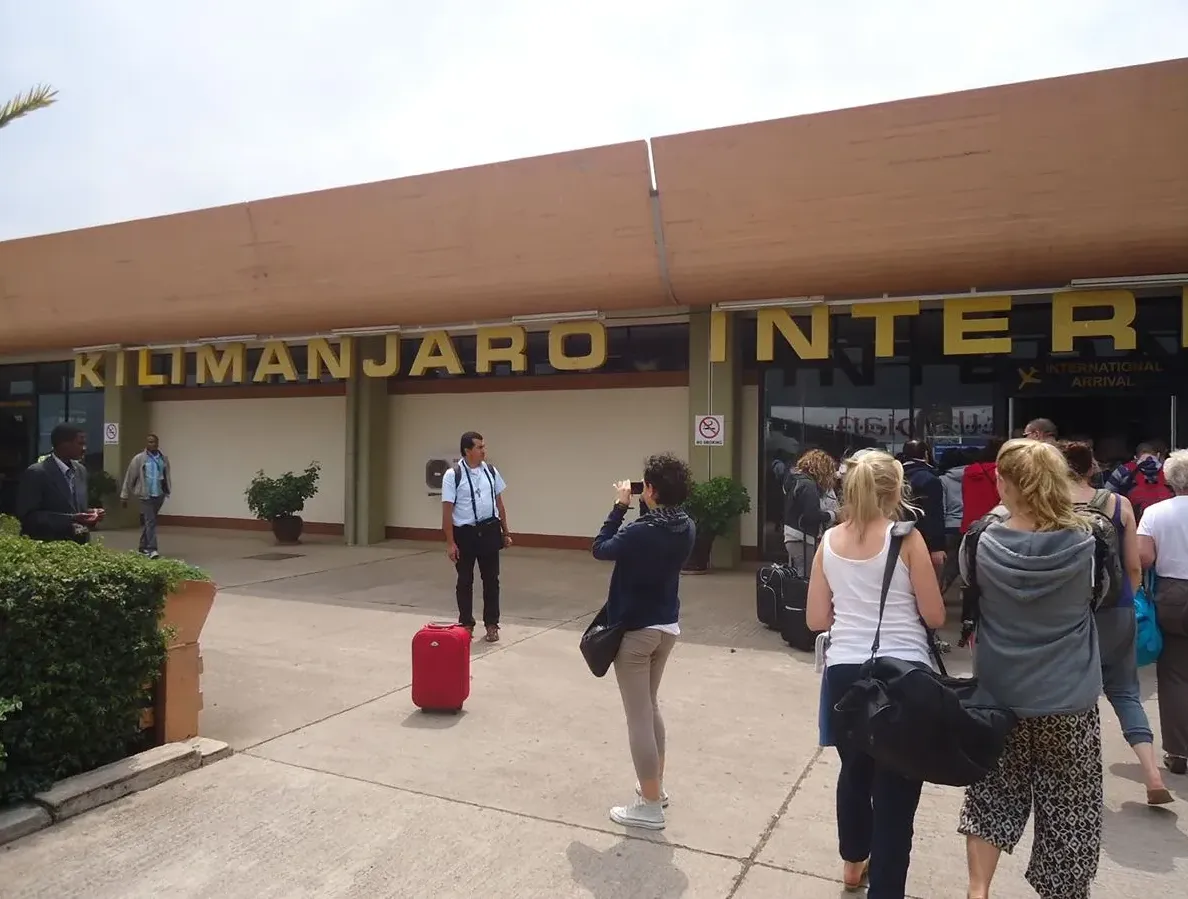
Because the question keeps coming up, I thought it would be useful to summarize the visa on arrival process for Tanzania. Because not infrequently things go wrong with the process of applying in advance for a Tanzanian evisa, getting the visa on arrival is the better solution for most people most of the time. More often than not, people getting the visa on arrival get through the immigration process just as fast, or faster, then people with evisas, though it varies from day to day and flight to flight. Visas on arrival are available to passport holders of all nationalities except for those who require a referral visa. There is a list of countries whose passport holders require referral visas at https://www.immigration.go.tz/index.php/requirements-for-visa Visas on arrival are available at *all* Tanzanian entry points, whereas evisas are only valid at five entry points: Kilimanjaro Airport east of Arusha; Julius Nyerere Airport in Dar es Salaam; Abeid Amani Karume Airport in Zanzibar; the land border at Namanga; and the land border at Tunduma. If you are entering at any land border other than Namanga or Tunduma, do not waste your time trying to apply for an evisa. If you are arriving by air and getting the visa on arrival, you won’t be denied boarding, since all the airlines have in their computer systems the fact that a visa can be obtained on arrival. You do not need to bring a passport photo; the photo will be taken on the spot by an immigration officer. While you also don't usually need proof of onward travel or hotel reservations, it's a good idea to have these printed out, just in case. While officially you can pay with a credit card, the credit card system is often down, so you should bring cash. You need a banknote in good condition printed since 2009. US passport holders pay US$100 for a multiple-entry visa, and most other nationalities pay US$50 for a single-entry visa. You can download the forms you need — you need the Entry Declaration Form and sometimes the Visa Application Form. For purpose of travel, put "5- tourism". Have a pen handy when you arrive in case you need it. The process at the airport sounds much more complicated than it is in practice, where it’s usually pretty quick. After passing any health checks, you proceed to a series of windows, one after another, where you present your passport, pay for the visa, and have the visa stamped into your passport. You then are stamped into the country, collect any checked luggage, and proceed through Customs. Congratulations: you've just saved yourself a lot of time and effort!

All guides
Serengeti National Park Tanzania
Getting a Tanzania visa on arrival
R
Ralphhh
Oct 20, 2025
Ready to plan your Tanzania safari?
Explore a variety of safari packages and compare trusted tour operators to find the perfect Tanzania safari for your next adventure.
Related guides
.jpg_1784962360143.webp?color=cac6b6%2C908d57&width=601&height=376) Mt Kenya National Park
Mt Kenya National ParkThe Great Migration: Nature’s Greatest Wildlife Journey

rafikitembotours
.jpg_1784965072251.webp?color=c3cbcd%2C302c10&width=601&height=376) Hell's Gate National Park
Hell's Gate National ParkNgorongoro Crater: Africa’s Natural Wildlife Sanctuary
rafikitembotours
 Gombe National Park
Packing for the Wild: Your Tanzania Safari Essentials
rafikitembotours
 Mt Kenya National Park
SAFARI IS MORE THAN SEEING THE BIG FIVE
rafikitembotours
 Gombe National Park
5 THINGS TRAVELERS SHOULD CHECK BEFORE BOOKING ANY TANZANIA TOUR
rafikitembotours
 Mt Kenya National Park
WHY SEPTEMBER IS ONE OF THE BEST MONTH TO TRAVEL IN TANZANIA AND KENYA
rafikitembotours