
The best time to visit Ethiopia depends on your interests: trekking in the mountains, enjoying ancient festivals, or exploring the Danakil Depression.
1. The Peak Season (October to February)
This is widely considered the best time to visit the country.
- Weather: After the wet season, the landscape is lush, the skies are clear, and the days are sunny and dry.
- Trekking: This is the prime time for hiking in the Simien and Bale Mountains. Nights can drop below freezing, but days are ideal for walking.
- Visibility: Excellent for photography and wildlife, like Gelada baboons and Ethiopian wolves.
2. The Festival Season (January and September)
If you want to experience Ethiopia's deep cultural heritage, plan your trip around these dates:
- Timkat (January 19/20): The Epiphany. The best places to witness this are Gondar or Addis Ababa. It involves massive processions and the blessing of water.
- Meskel (September 26/27): Commemorating the finding of the True Cross. Large bonfires are lit in Meskel Square (Addis Ababa) and across the country.
- Genna (January 7): Ethiopian Christmas. The most spectacular celebrations occur in Lalibela, where thousands of pilgrims gather at the rock-cut churches.
3. The Best Time for the Danakil Depression
The Danakil is among the hottest places on Earth. Timing is critical for safety and comfort.
- Best Window: November to early March.
- Conditions: Temperatures are "cooler" (still reaching 35–40°C / 95–104°F). Outside of these months, the heat can become unbearable and even dangerous for trekking to the Erta Ale volcano.
4. The Rainy Season (June to August)
This is the low season in Ethiopia.
- The "Big Rains": Heavy daily downpours can make some roads in the Simien Mountains and the Omo Valley impassable.
- Benefits: Lower accommodation prices and significantly fewer tourists at major sites like the churches of Lalibela.
- Note: Northern Ethiopia is much more affected by rain than the southern Omo Valley.
5. Regional Summary
| Region | Best Months | Why? |
|---|---|---|
| Northern Highlands | Oct – Mar | Dry, sunny, and lush post-rain. |
| Simien/Bale Mountains | Nov – Feb | Best visibility and dry trails. |
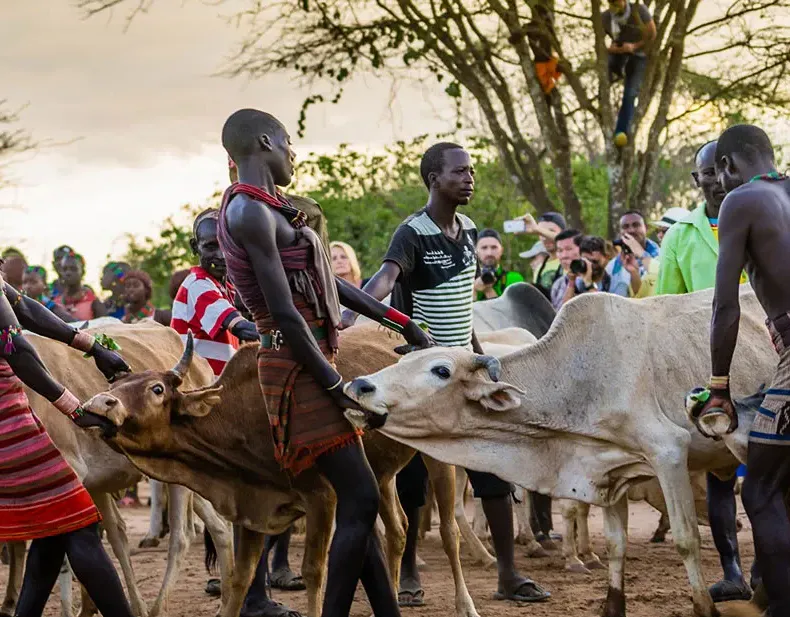
| Omo Valley (South) | Aug – Oct & Jan – Mar | Best for tribal markets and navigating dirt roads. |
| Danakil Depression | Dec – Feb | Manageable (though still high) temperatures. |
Quick Travel Tips
- The "Thirteenth Month": Ethiopia follows its own calendar. Enkutatash (Ethiopian New Year) falls on September 11 or 12, marking the end of the rainy season.
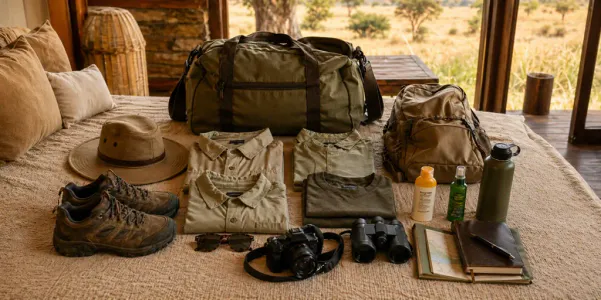
- Packing: Regardless of the season, bring layers. While the lowlands are hot, the high-altitude cities (like Addis Ababa and Lalibela) get quite chilly after sunset.
Plan Your Ethiopia Journey
For specific tour packages and to connect with local experts who can help you time your visit perfectly, check out these Safarigo directories:
- Ethiopia Itinerary Listings – Compare programs for the Historic North and Omo Valley.
- Ethiopia Travel Agency Listings – Connect with specialized guides for trekking and cultural tours.

.jpg_1784962360143.webp?color=cac6b6%2C908d57&width=601&height=376)

.jpg_1784965072251.webp?color=c3cbcd%2C302c10&width=601&height=376)