
What Should You Pack for Gorilla Trekking?
Gorilla trekking plunges you into high-altitude, dense rainforests like Bwindi, Mgahinga, or Volcanoes National Park. This thrilling adventure is far more demanding than a routine savannah safari and requires specialized gear to protect against thorns, nettles, mud, and sudden downpours.
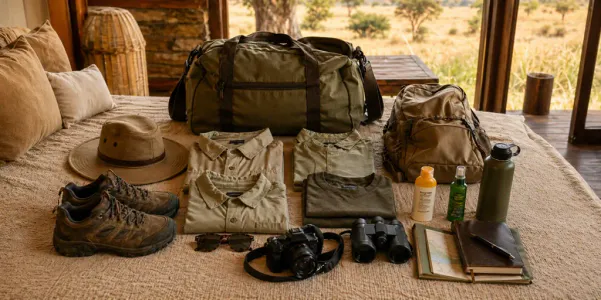
Gear up for adventure: pack waterproof boots, long-sleeved moisture-wicking shirts, sturdy gloves, and a lightweight rain jacket for your gorilla trek.
1. Essential Clothing: The "Forest Armor."
Your trekking outfit is your armor for the wild, built to shield you from rainforest insects and fierce vegetation as you journey through untamed terrain.
A. Protective Layers
- Long-Sleeved Shirts: Essential for protecting arms from scratches and stinging nettles. Choose breathable, quick-dry fabrics.
- Long Trousers: Lightweight trekking pants are best. Tuck them into your socks to keep ants off.
- Waterproof Rain Jacket: As noted in our Best Time for Gorilla Trekking guide, rain can fall at any time in these tropical parks. A lightweight, breathable shell is mandatory.
- Sturdy Gardening Gloves: You will often need to grab branches or vines to maintain balance. Heavy-duty gardening gloves protect your hands from thorns and stinging nettles.
B. Footwear
- Hiking Boots with Ankle Support: Skip sneakers. Wear deep-treaded, waterproof boots for steep, muddy terrain.
- Gaiters: These are highly recommended to keep mud, water, and stones out of your boots.
2. Photography and Gear Essentials
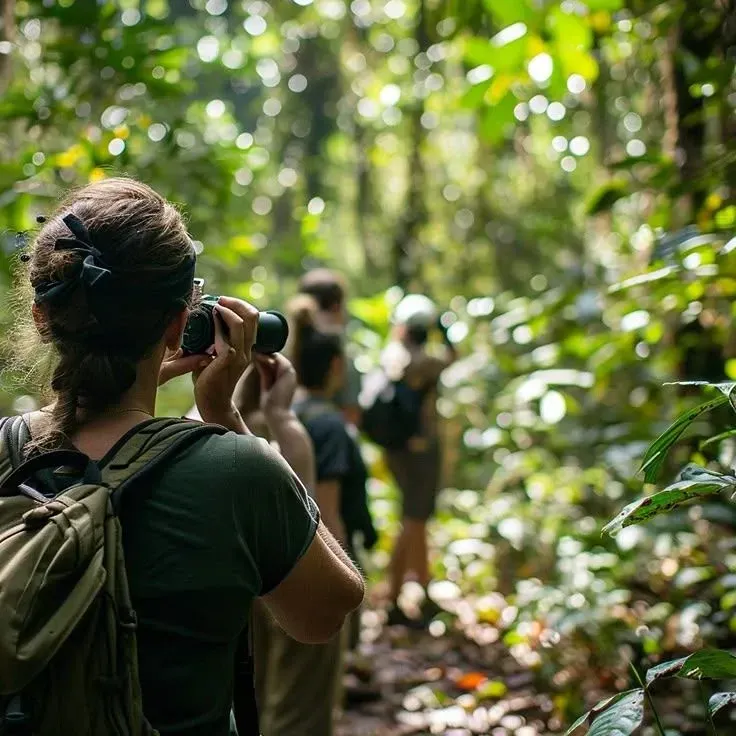
With just one hour among gorillas, the right gear means you never miss a wild moment.
- Camera with Mid-Range Zoom: A 70-200mm lens is usually perfect. The gorillas are often very close, so a massive telephoto lens can actually be a hindrance.
- Extra Batteries & Memory Cards: The humid, cold environment can drain batteries faster than expected.
- Waterproof Dry Bag: Protect your camera and electronics from sudden rain.
- No-Flash Photography: IMPORTANT: Flash photography is strictly prohibited as it can agitate the gorillas. Ensure your flash is disabled before you start.
3. Health, Safety, and Daypack Items
Embark on your journey from the lodge, spending 2 to 8 thrilling hours tracking your assigned gorilla family through the wild.
- Insect Repellent (DEET): Focus on ankles and wrists.
- Sunscreen and Wide-Brimmed Hat: Even under the forest canopy, the equatorial sun is powerful.
- Walking Stick: Most lodges and park headquarters provide these, but bringing your own collapsible trekking pole is a great idea for stability.
- High-Energy Snacks: Pack energy bars, nuts, or dried fruit. The trek can be exhausting.
- Water (At least 2 Liters): Stay hydrated at high altitudes.
4. The Role of a Porter
Though not packed, hiring a porter is a wise decision. For about $20 USD, a porter will: Carry your heavy daypack.
- Provide physical assistance (pushing/pulling) on steep sections.
- It allows you to focus entirely on the photography and the experience.
5. Summary Checklist for Your Trek
| Item | Priority | Why? |
|---|---|---|
| GorillaPermit | Mandatory | You cannot enter the park without your physical permit. |
| Gardening Gloves | High | Protection against stinging nettles/thorns. |
| Waterproof Boots | High | Traction on mud and slippery slopes. |
| Rain Poncho/Jacket | High | Unpredictable tropical weather. |
| Face Mask | Mandatory | To protect gorillas from human respiratory diseases (COVID-19/Flu). |
.jpg_1784962360143.webp?color=cac6b6%2C908d57&width=601&height=376)

.jpg_1784965072251.webp?color=c3cbcd%2C302c10&width=601&height=376)