

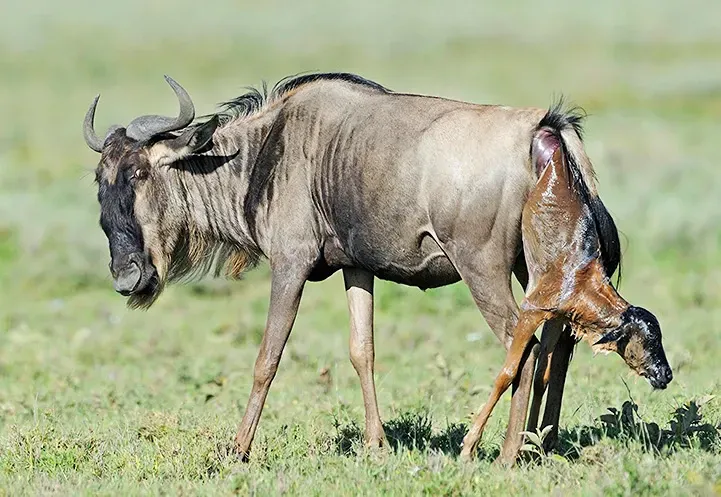
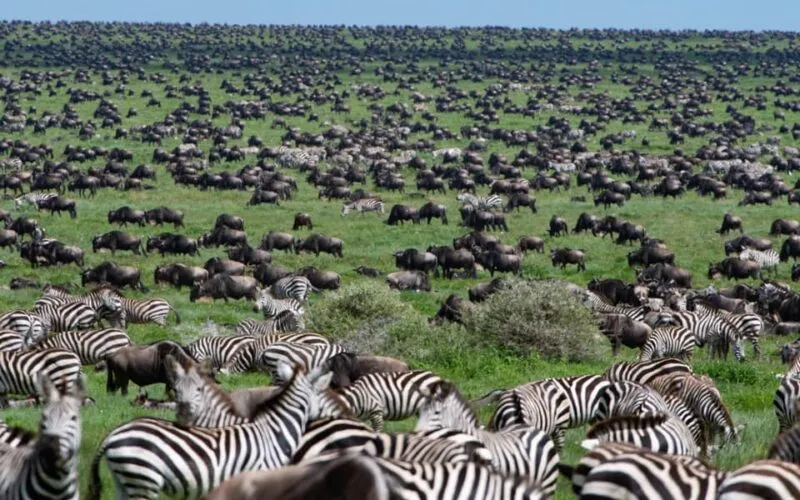
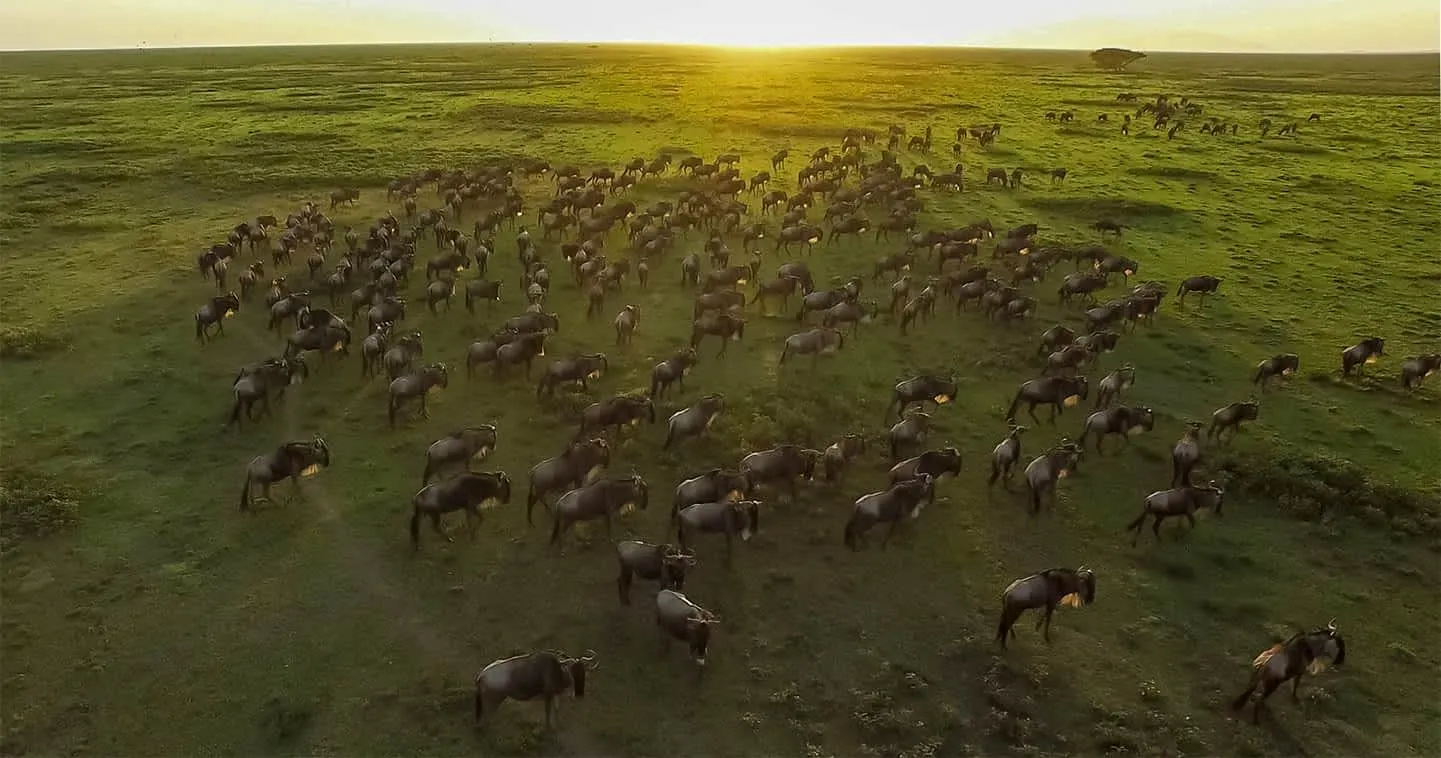
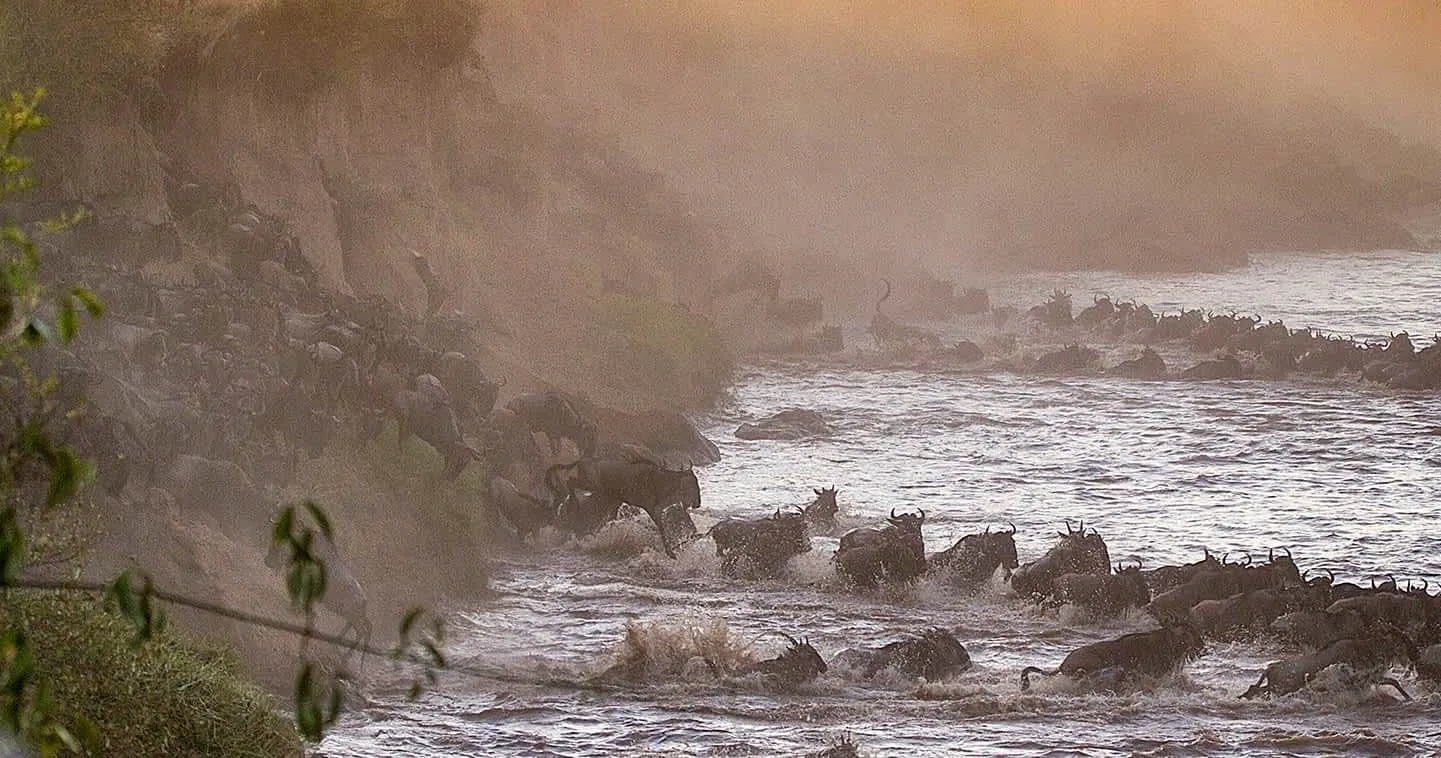
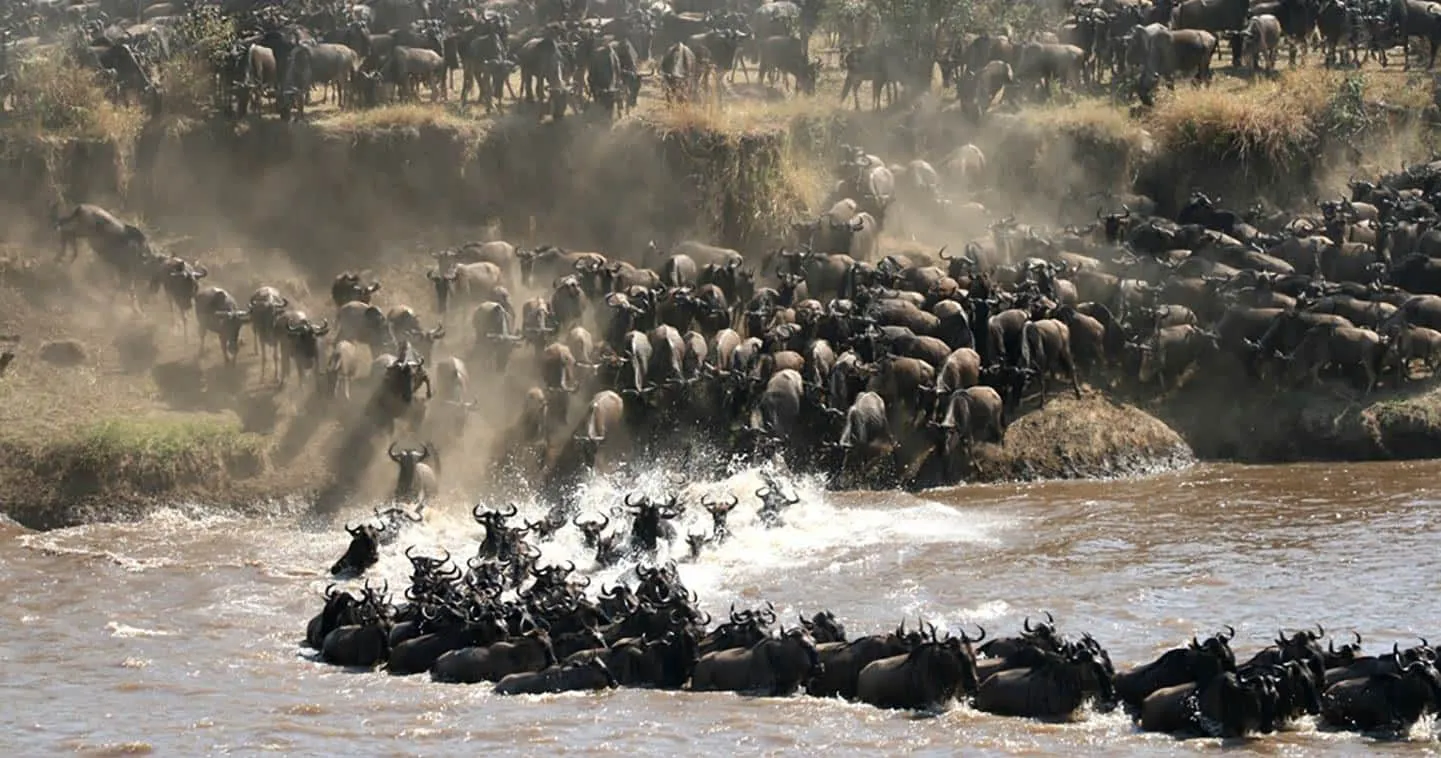
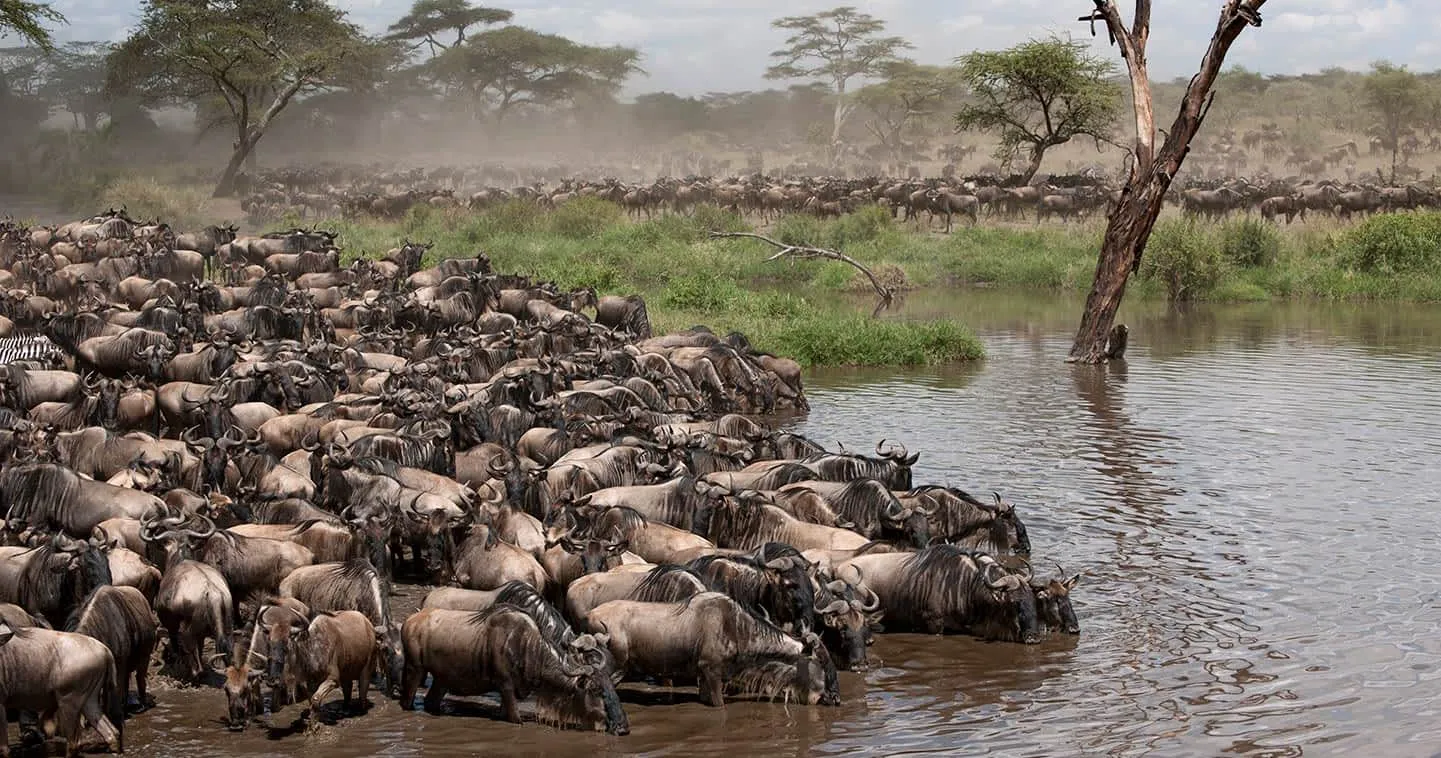
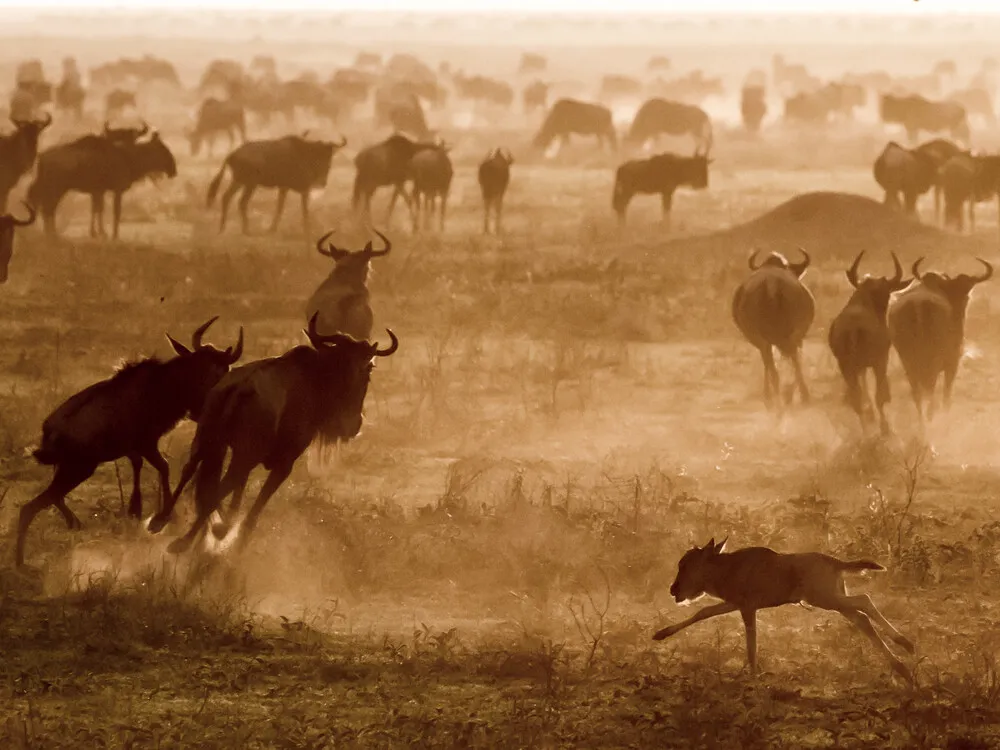
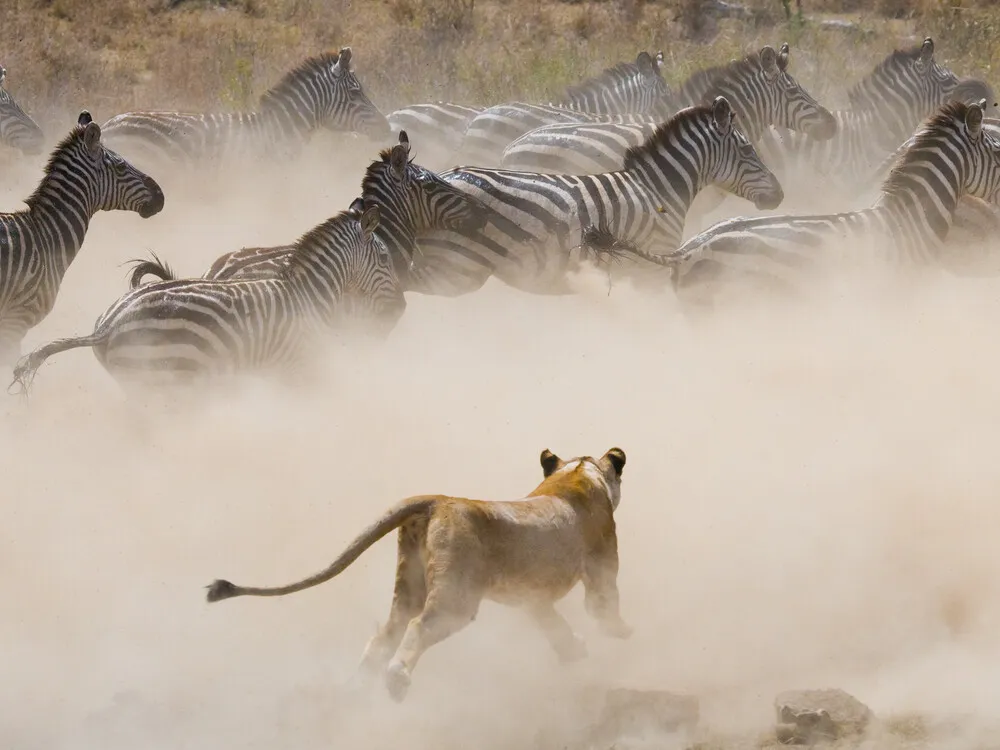
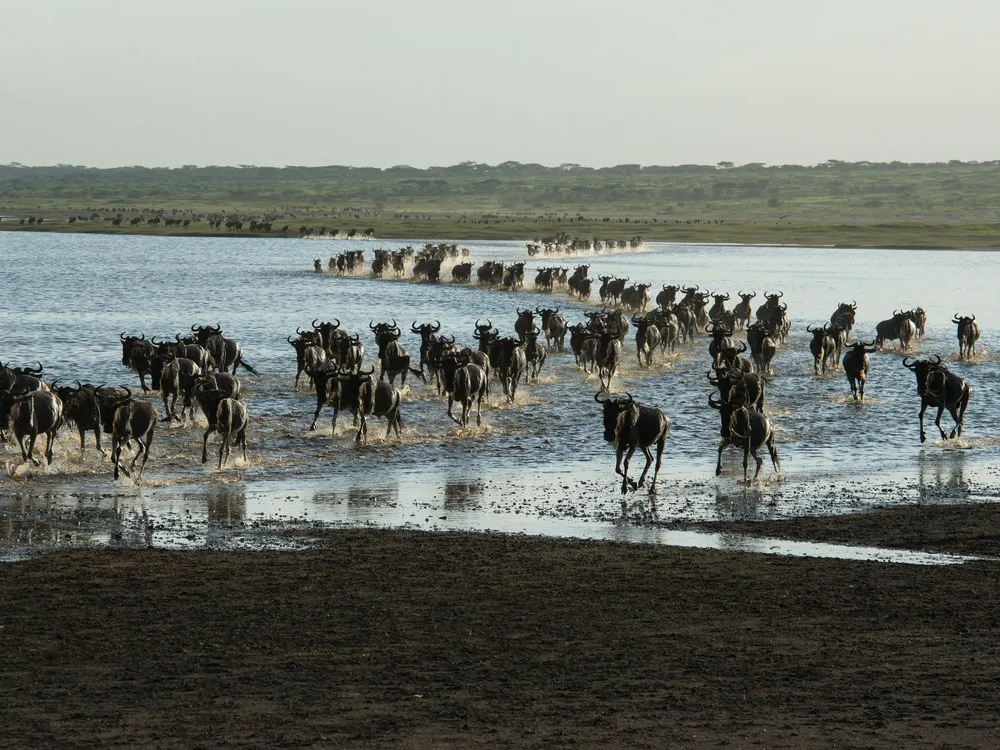
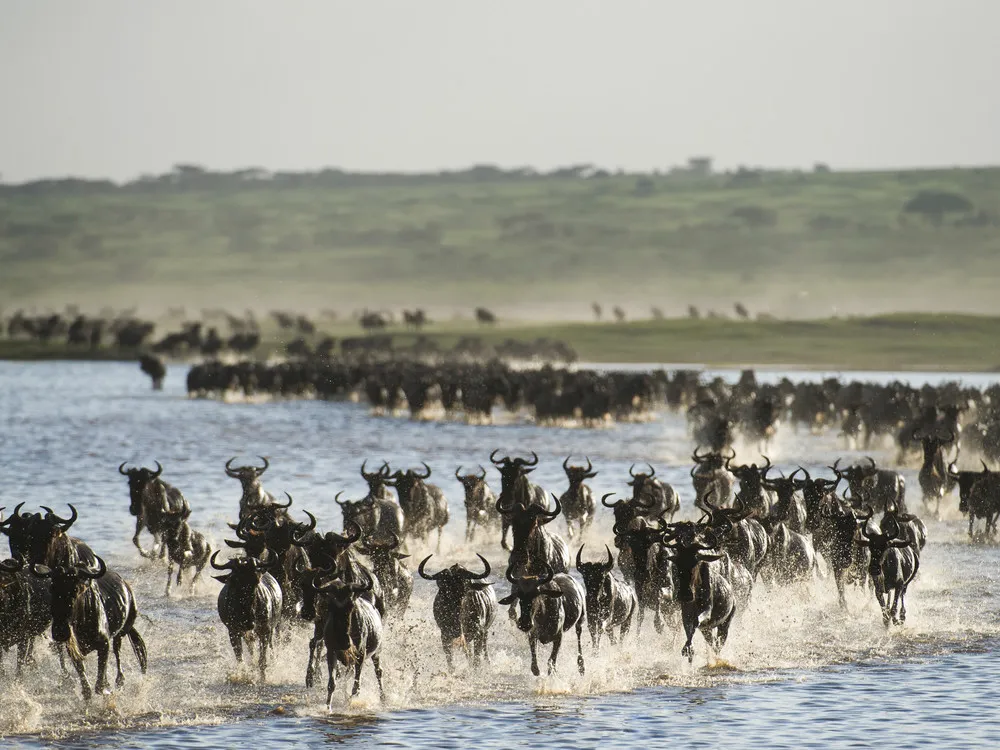
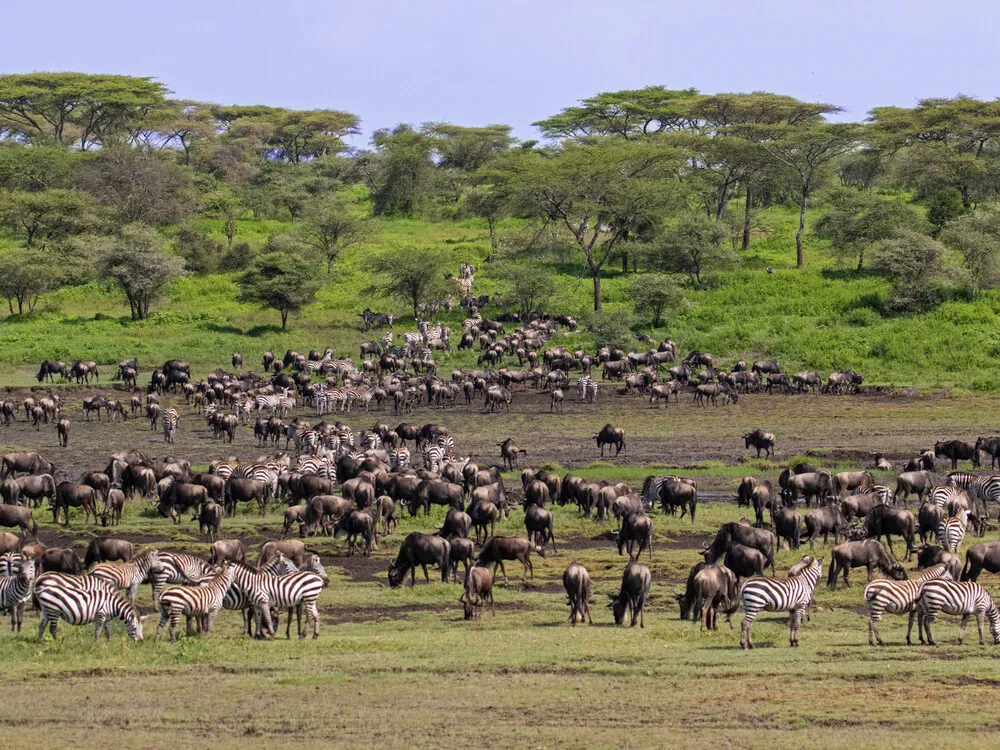
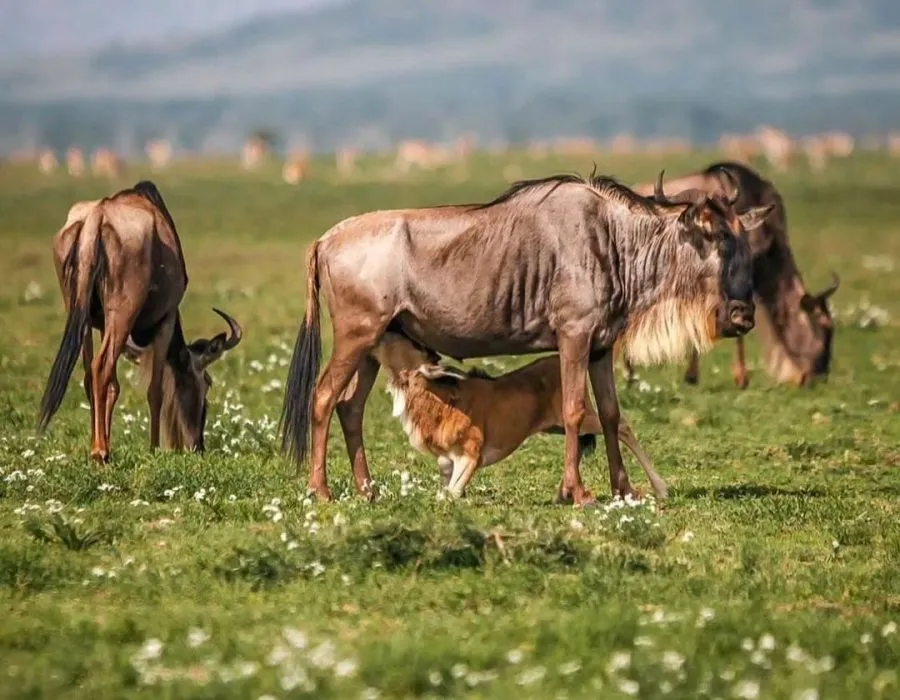
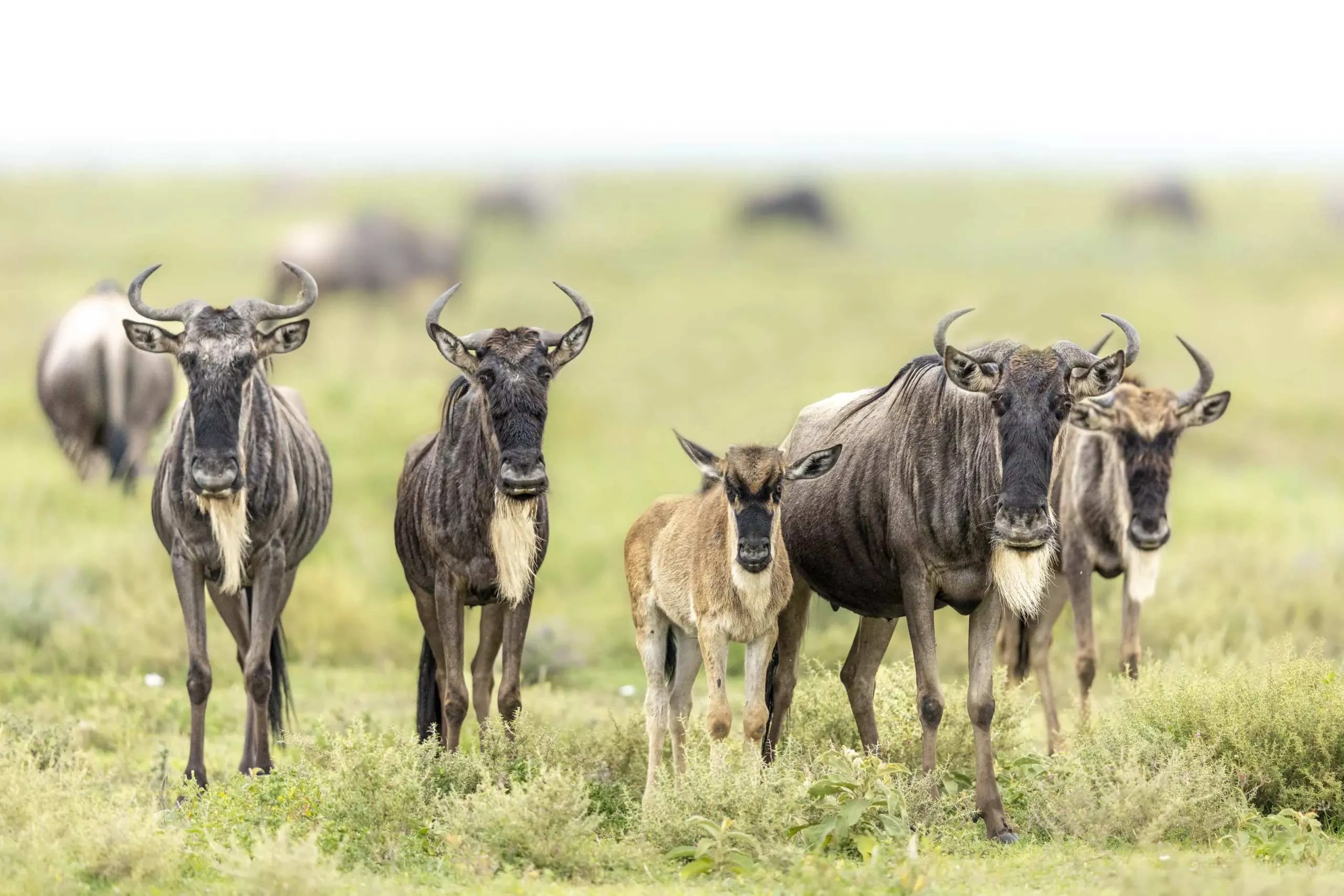
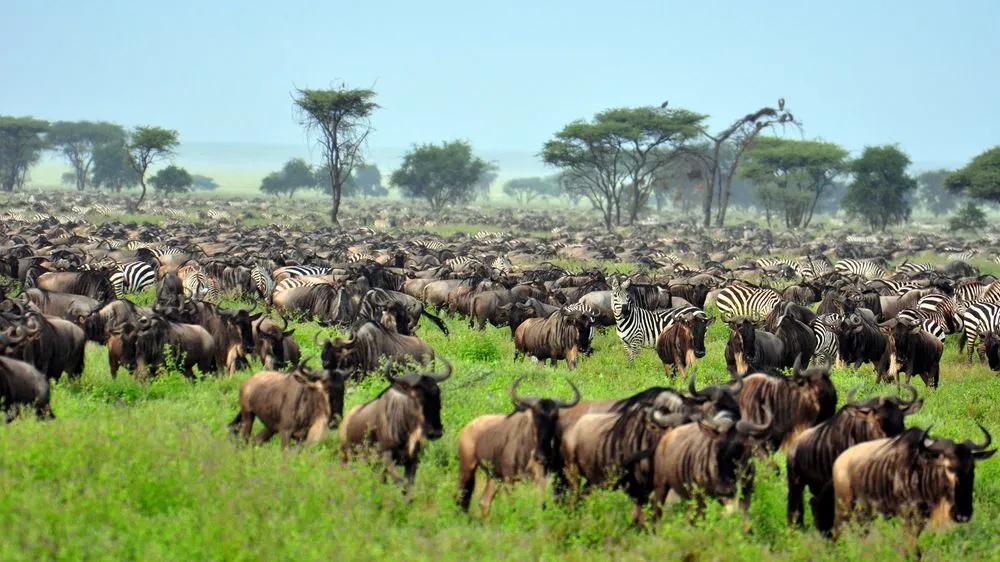
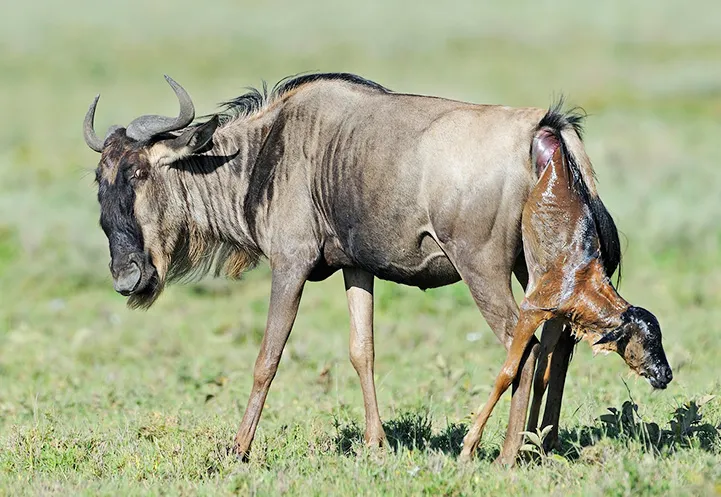
🌍 Overview The Great Wildebeest Migration is one of the most spectacular wildlife events on Earth, involving over 1.5 million wildebeest, hundreds of thousands of zebras, and gazelles moving across Tanzania and Kenya in search of fresh grazing and water. This continuous, circular journey follows seasonal rains and grass growth patterns between the Serengeti (Tanzania) and the Masai Mara (Kenya). In 2026, the migration will once again offer travelers an extraordinary opportunity to witness dramatic river crossings, calving seasons, and the predators that follow this natural spectacle. 📅 Migration Calendar 2026: Month-by-Month Guide January – March: Calving Season (Southern Serengeti & Ndutu Area) Location: Ndutu Plains, Southern Serengeti & Northern Ngorongoro Conservation Area (Tanzania) Highlights: Over 500,000 calves are born within a few weeks in February and March. Excellent predator action — lions, cheetahs, and hyenas hunt in the open plains. Ideal for photography and family safaris. Recommended Lodges/Camps: Ndutu Safari Lodge, Nyikani Ndutu Camp, Lemala Ndutu, Lake Masek Camp. April – May: Migration Moves North (Central Serengeti) Location: Seronera & Moru Kopjes (Central Serengeti) Highlights: Herds begin moving northward as the plains dry. Scenic green season, fewer tourists, excellent value for safaris. Great viewing of lions, leopards, and elephants in Seronera Valley. Recommended Lodges/Camps: Serengeti Serena, Kubu Kubu Tented Lodge, Sopa Serengeti. June – July: Grumeti River Crossings (Western Serengeti) Location: Western Corridor – Grumeti River Highlights: Herds cross the Grumeti River, facing crocodile-filled waters. Spectacular predator-prey interactions. Peak time for dramatic photo safaris. Recommended Lodges/Camps: Mbalageti Safari Lodge, Grumeti Hills, Kirawira Serena Camp. July – October: Mara River Crossings (Northern Serengeti & Masai Mara) Location: Northern Serengeti (Kogatende, Lamai) and Masai Mara (Kenya) Highlights: Iconic Mara River crossings – the most dramatic stage of the migration. Herds spread between Tanzania and Kenya depending on rainfall. Best time for luxury safaris and aerial photography (balloon safaris highly recommended). Recommended Lodges/Camps: Nyikani North, Lemala Kuria Hills, Sayari Camp, Mara Serena Safari Lodge. November – December: Return South (Eastern & Central Serengeti) Location: Lobo, Seronera, and down to Ndutu again Highlights: Herds begin their long journey back south. Short rains turn the plains green again. Excellent time for mobile safaris and fewer crowds. Recommended Lodges/Camps: Lemala Ewanjan, Kati Kati Camp, Ndutu Safari Lodge. 🧭 How to Follow the Migration Use a Migration Tracker: Partner with lodges or mobile camps that track herds daily using GPS and ranger reports. Plan a Flexible Itinerary: Choose mobile camps or fly-in safaris to quickly move between regions as herds shift. Book in Advance (12–15 months): Especially for July–October, as northern Serengeti and Mara lodges fill up fast. Combine Parks: Add Ngorongoro Crater or Tarangire for variety. Use Local Expertise: Work with local guides who understand rainfall patterns and herd behavior. 🦁 Safari Tips for 2026 Travelers Best photography months: February (calving) & August (Mara crossings) Pack for all weather: Rain gear (Feb–May), warm layers (June–Aug), sunscreen year-round. Avoid crowds: Visit Central or Eastern Serengeti in shoulder months (April–June, Nov–Dec). Add experiences: Hot air balloon over the Mara, night drives, and walking safaris in private reserves. ✈️ Suggested 2026 Migration Safari Routes Southern Loop (Jan–Mar): Arusha → Ndutu → Central Serengeti → Ngorongoro Western Adventure (May–Jun): Arusha → Central Serengeti → Grumeti → Lake Victoria Northern Trail (Jul–Oct): Arusha → Northern Serengeti → Masai Mara → Zanzibar Complete Circle (Full Migration): 10–14 days following herds across different zones 🌦️ Key Migration Influencers Rainfall: The driving factor — herds move where the grass is greenest. Climate Change: Patterns may shift slightly each year; local updates are crucial. Tourism Pressure: Early booking ensures better camps near migration paths. 📋 Conclusion To successfully follow the Great Migration in 2026, flexibility and timing are key. Align travel dates with herd movements, stay connected with updated reports from lodges and guides, and select camps strategically located along the migration corridor. Witnessing this annual cycle — from calving in Ndutu to dramatic river crossings in the north — guarantees one of Africa’s most unforgettable safari experiences.


.jpg_1784962360143.webp?color=cac6b6%2C908d57&width=601&height=376)