
South Luangwa National Park isn't just a destination; it is the spiritual home of the walking safari. Pioneered by legendary conservationist Norman Carr in the 1950s, the "walking way" was born from a desire to move away from the noise of engines and reconnect with the earth.
In this guide, we go beyond the vehicle to explore the intricacies of trekking through one of Africa’s last true wildernesses.
1. Why South Luangwa is the "Gold Standard."
While many African parks offer walks, South Luangwa is world-renowned for two reasons:
- The Terrain: The Luangwa River’s shifting path creates "oxbow lagoons" and flat, open alluvial plains. This provides excellent visibility for walkers and a high concentration of game.
- Guiding Excellence: Zambia’s guiding exams are among the most rigorous in Africa. To lead a walk here, guides must complete a multi-year certification process that includes firearm proficiency and deep ecological knowledge.
2. What to Expect: The Anatomy of a Walk
A walking safari is not a hike; it is a slow-motion investigation of the bush. You typically cover 5–10 kilometers over 3–4 hours.
- The Lead: You will always walk in a single file. The armed scout (Zambia Department of National Parks and Wildlife) leads the way, followed by the professional guide, and then the guests.
- The Small Five: While you may see elephants or buffalo from a distance, the focus shifts to the "micro-safari." You’ll learn to identify leopard tracks in the sand, the medicinal uses of the Leadwood tree, and the complex social structures of the termite mound.
- Sensory Immersion: Without the barrier of a vehicle, you notice the smell of crushed wild jasmine, the warning whistle of a Puku, and the crunch of "mopane" leaves underfoot.
3. Top Camps for Walking Purists
To get the most out of your experience, look for "bush camps"—smaller, remote outposts that prioritize walking over driving.
| Camp Name | Why Insiders Love It |
|---|---|
| Tena Tena (Robin Pope) | Located in a remote sector, known for its focus on birding and river-walks. |
| Mchenja (Norman Carr) | Situated in a grove of ebony trees; offers a classic, old-world walking experience. |
| Island Bush Camp | A "back-to-basics" camp that specializes almost exclusively in walking. |
4. Packing Like a Pro
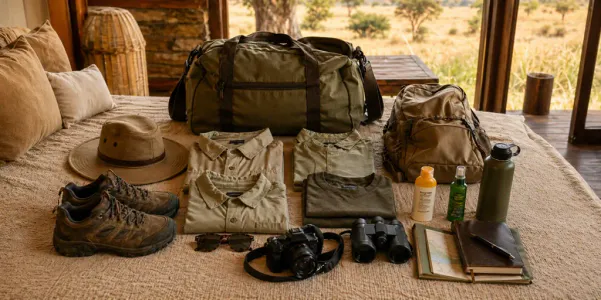
- Footwear: You don't need heavy mountaineering boots. Lightweight, breathable hiking shoes with good ankle support are better for the sandy terrain.
- Colors: This is non-negotiable. Earth tones (khaki, olive, brown) help you blend into the dry grass. Avoid White (it’s a "warning" color to animals) and Blue/Black (these attract the Tsetse fly).
- The "Bush Toilet" Prep: Carry a small pack with tissues and a lighter (for burning used paper—adhering to the "leave no trace" philosophy).
5. Pricing and Logistics
- The Cost: Because walking safaris require a dedicated armed scout and a highly qualified guide, expect to pay a premium. Bush camps range from $500 to $900 per person, per night, all-inclusive.
- The Season: Walking safaris are generally only available during the Dry Season (June – October). During the rainy season, the tall grass makes walking visibility unsafe.
- Safety: You must be 12 years or older to join a walking safari in South Luangwa.
6. Expert Tip: The "Mobile" Safari
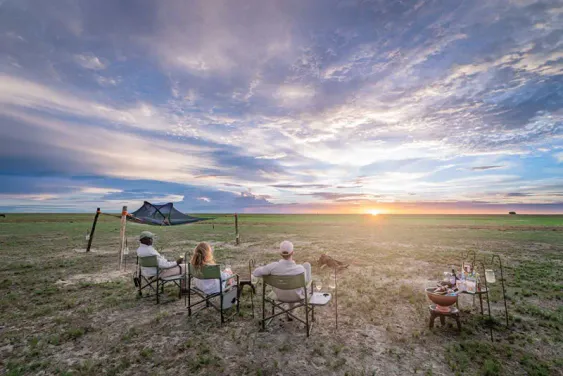
For the ultimate insider experience, book a Mobile Walking Safari. Instead of returning to the same camp, you walk from one site to another, while a support team moves your "fly camp" ahead of you. This allows you to penetrate deep into the park's northern sectors, where vehicles rarely venture.
.jpg_1784962360143.webp?color=cac6b6%2C908d57&width=601&height=376)

.jpg_1784965072251.webp?color=c3cbcd%2C302c10&width=601&height=376)