
The Great Wildebeest Migration: 7 Costly Misconceptions Every Traveler Should Avoid
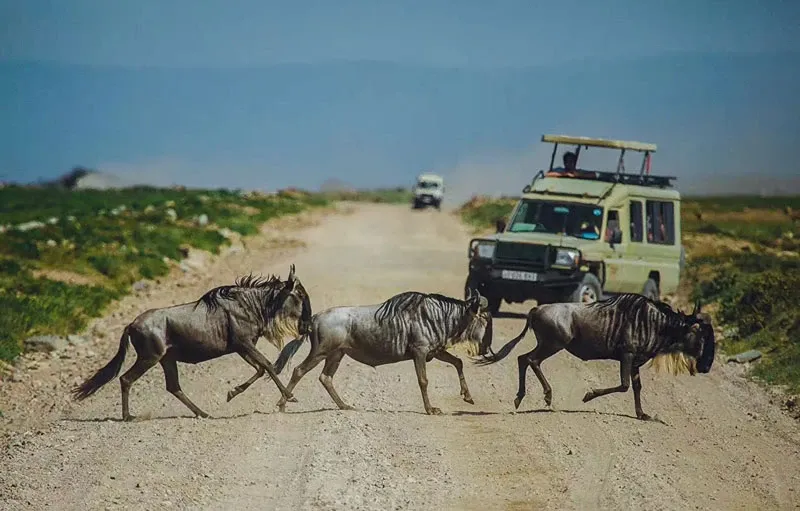
The Great Wildebeest Migration is often called "The Greatest Show on Earth," but for many travelers, the reality doesn't always match the brochure. Because this event is dictated by nature rather than a calendar, many visitors arrive at the wrong time or with the wrong expectations.
If you are planning a safari to see the 1.5 million wildebeest, zebras, and gazelles on the move, here is the truth behind the most common myths to ensure your trip is a success.
Myth 1: The Migration is a One-Time Event
The Reality: It is a 365-day-a-year cycle. Many travelers believe the migration "happens" only in July or August. In truth, the herds never stop moving. It is a constant, clockwise loop through the Serengeti-Mara ecosystem.
- Why this matters: You can see the migration at almost any time of year—you just need to be in the right country and the right region.
Myth 2: The Animals Move in One Single, Massive Herd
The Reality: The migration is a fragmented network of many "mega-columns." A common misconception is that all 1.5 million wildebeest move together like a giant parade. In reality, the migration is composed of hundreds of different groups and long, winding columns that can stretch for over 40 kilometers.
- The Sight: You won't see one single carpet of animals covering the entire horizon at once. Instead, you will see massive clusters in one area, then drive for miles to see very few.
Myth 3: Predators "Follow" the Migration Across the Ecosystem
The Reality: Lions and leopards are highly territorial and stay put. It’s a popular belief that prides of lions pack up their bags and follow the herds from the South to the North. In reality, big cats are territorial. If a Serengeti lion pride followed the wildebeest into the Masai Mara, they would have to fight every local pride along the way—a death sentence.
- The "Feast or Famine" Strategy: Predators wait for the migration to enter their territory. They feast while the herds are there and return to hunting resident game (like warthogs or impala) once the migration moves on. Only hyenas and some cheetahs are known to follow the herds over significant distances.
Myth 4: You Are Guaranteed to See a River Crossing
The Reality: Crossings are unpredictable and require immense patience. Social media makes it look like the Mara River is a constant stream of leaping wildebeest. In reality, a herd might stand on the riverbank for three days only to turn around because a single zebra got spooked.
- Pro Tip: Plan for at least 3–4 days in the river regions to increase your statistical chances of witnessing the drama.
Myth 5: The Migration is Only About the Wildebeest
The Reality: The "Supporting Cast" is just as impressive. While the wildebeest get the headline, they are accompanied by roughly 200,000 zebras and 350,000 Thompson’s gazelles.
- The Ecosystem Hook: These species actually help each other. Zebras eat the long, tough grass, wildebeest eat the short grass left behind, and gazelles eat the new shoots.
Myth 6: You Should Only Visit During the "High Season"
The Reality: The "Secret" seasons offer better value and fewer crowds. July to September is "Peak Season," which means higher prices and crowded sights.
- The Alternative: Consider the Calving Season (January–March). You’ll see thousands of babies being born daily and incredible predator-prey interactions, often at a lower price point.
Myth 7: The Animals Follow a Set Path or Map
The Reality: They follow the rain and the grass. Wildebeest are "rain-seekers." They can sense a thunderstorm from 50 kilometers away. If the rains are late, the migration is late.
- Planning Strategy: Because nature is unpredictable, we always recommend booking mobile camps. These are luxury tents that move two to three times a year to follow the herds.
Planning Your Migration Safari: At a Glance
| Month | Location | Main Highlight |
|---|---|---|
| Jan - Mar | Southern Serengeti (TZ) | Calving Season & Predators |
| Apr - May | Central Serengeti (TZ) | The "Long March" (Green Season) |
| Jun - Jul | Western Corridor (TZ) | Grumeti River Crossings |
| Aug - Oct | Northern Serengeti (TZ) / Masai Mara (KE) | Iconic Mara River Crossings |
| Nov - Dec | Eastern Serengeti (TZ) | The return journey south |
Final Thought
The Great Migration is not a spectator sport with a fixed start time—it is a wild, chaotic, and beautiful journey. By understanding the rhythm of the rains and the instincts of the herds, you can move from being a "tourist" to a true witness of one of nature's last great wonders.
Ready to plan your journey? Contact our safari experts to find the right mobile camp for your travel dates.