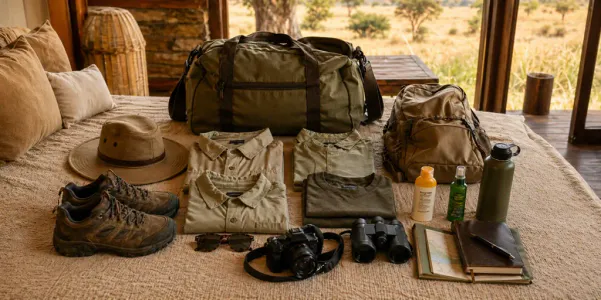

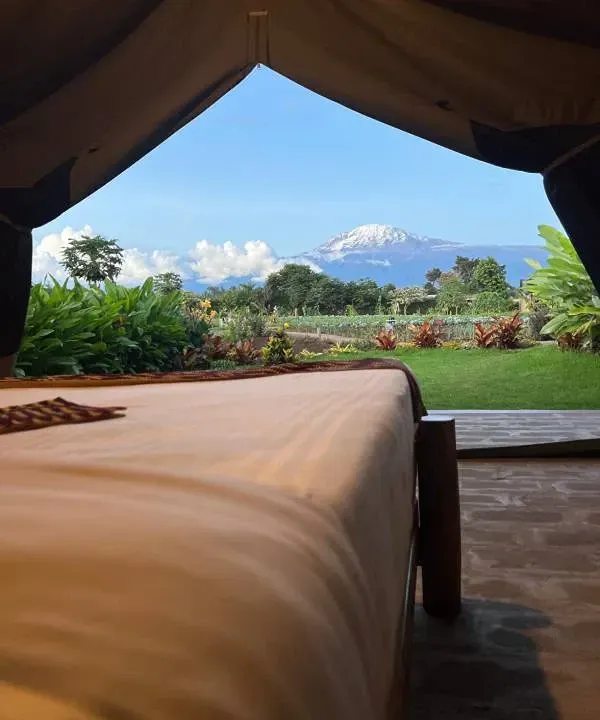
Most travelers experience Tanzania in fragments: a mountain here, a safari there, a hotel in between. But Tanzania is not meant to be experienced in pieces. This guide explains how it is possible, and why it is better, to connect Mount Kilimanjaro, wildlife safari, and authentic farm life into one coherent Tanzanian journey. Not as a package. Not as a checklist. But as a flow.
The Three Worlds of Tanzania
Tanzania offers three defining experiences that rarely coexist in a single journey: • Mount Kilimanjaro – a personal, physical, and emotional challenge • Wildlife Safari – immersion into one of the world’s greatest ecosystems • Farm & Cultural Life – everyday Tanzania, lived quietly at the foothills of Kilimanjaro Individually, each is powerful. Connected correctly, they become transformational.
Why Most Travelers Don’t Combine Them Well
The problem is not distance. The problem is design. Most itineraries fail because: • Kilimanjaro climbs are rushed or poorly acclimatized • Safaris are squeezed immediately after summit exhaustion • Cultural experiences are treated as brief add-ons • Different operators handle each segment with no continuity The result is fatigue, instead of fulfillment.
The Correct Way to Connect the Three Experiences
1.Begin at the Foot of Kilimanjaro: Arrival, Rest & Preparation The journey should not begin on the mountain. It should begin at its base. After a long international flight, the body needs rest before the challenge. Starting with a farm-based stay near Mount Kilimanjaro allows travelers to: • Recover from travel fatigue in a calm, green environment • Adjust naturally to altitude without pressure • Ease into Tanzania at a human pace A well-designed arrival phase includes: • One to two relaxed nights at the farm • A short acclimatization hike or nature walk • Time to check and organize climbing gear with the mountain guide • Space to breathe, sleep well, and mentally prepare This phase prevents the feeling of being rushed straight to the mountain. When the climb begins, the body is rested, and the mind is ready. 2. Kilimanjaro: The Inner Journey Kilimanjaro demands full attention. It is not something to fit between activities. A well-designed Kilimanjaro experience: • Prioritizes acclimatization over speed • Uses ethical, experienced mountain crews • Follows a pace designed for safety and summit success The mountain strips life down to basics: breath, short steps, and patience. This is where confidence is built, limits are tested, and perspective changes.
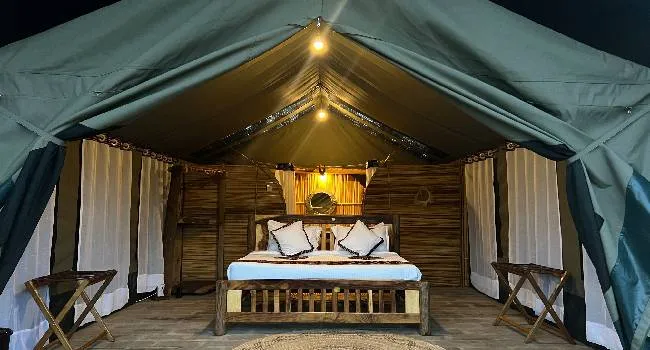
3.Return to the Farm: Recovery, Reflection & Celebration The descent from Kilimanjaro is often emotional. There is relief. There is pride. There is exhaustion. A thoughtful journey allows space for all three. This phase is not only about rest. It is about reconnection. Returning to the farm after Kilimanjaro brings the journey back to life at ground level; quietly, naturally, and meaningfully. At the farm, recovery happens through simple, powerful experiences: • Walking through vegetable gardens and coffee plants • Seeing goats, cows, ducks, and free-ranging chickens moving through the land • Feeling the rhythm of a working farm rather than a staged attraction • Watching the sun set with Mount Kilimanjaro in full view, drink in hand The atmosphere is calm, open, and unforced. Here, luxury is not excess — it is space, freshness, and time. Meals become part of the experience. Guests share farm-to-table dishes prepared with ingredients harvested directly from the land, often the same day. Food tastes different when you have seen where it comes from. The farm also supports the local community. By staying here, travelers directly support employment for local youth and single mothers, creating an impact that is personal rather than abstract. This is why the farm phase matters. It completes the cycle: • The mountain challenges the body • The farm restores it • The land welcomes you back • Relax and let the body fully recover • Take a short town visit for souvenirs, coffee, and casual drinks • Learn more about everyday local life beyond tourism This post-climb day helps the achievement settle. The summit becomes more than a photo; it becomes a lived experience.
The Farm Experience: Before or After Kilimanjaro?
The farm experience can take place either before or after the Kilimanjaro climb, depending on traveler preference, timing, and energy levels. Both options work, but they serve different purposes. Before the climb, the farm experience is primarily about preparation and grounding: • Recovering from long international travel • Settling into the local environment without pressure • Gentle acclimatization through short walks or light hikes • Meeting guides and checking climbing gear calmly This approach helps travelers arrive on the mountain rested, organized, and mentally ready. After the climb, the farm experience takes on a deeper meaning. It becomes a space for recovery, reflection, and emotional closure: • Allowing the body to fully rest after physical effort • Sharing unhurried meals and conversations • Enjoying simple farm life and open landscapes • Watching Mount Kilimanjaro from below — now with perspective Both approaches are valid. However, many travelers find that the farm experience feels especially powerful after the climb, when the mountain has already shaped their journey, and the land feels familiar rather than new.
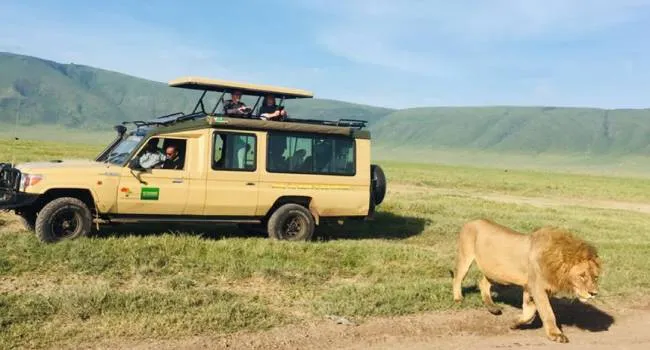
Finish With Safari: The Outer World
Only after the mountain and the grounding phase does the safari reach its full impact. Now: • You are rested • You are present • You are observant Wildlife is no longer just a spectacle. It becomes part of a larger story; ecosystems, people, and land working together. Safari works best when: • Time is flexible • Distances are respected • Parks are chosen for contrast, not quantity
Why This Connected Journey Is Different
i. It Respects Human Energy Instead of constant movement, the journey follows: Challenge → Recovery → Observation ii. It Emotional Continuity You don’t reset every few days. Each experience builds on the previous one. iii. It Reveals the Real Tanzania Not just icons, but real connections: • Mountains feed farms • Farms support families • Families coexist with wildlife
Sample Itinerary
• Arrival & preparation near Kilimanjaro • Mount Kilimanjaro climb (route & pace dependent) • 2–3 days farm-based recovery & cultural immersion • Northern circuit safari (Tarangire, Ngorongoro, Serengeti) – 2 days for Tarangire and Ngorongoro alone. If Serengeti is involved, we recommend you set up at least 4 days for the safari. • Optional Zanzibar extension (We recommend a minimum of 4 days in Zanzibar) This flow can be adjusted, depending on your travel schedule.
Who This Type of Journey Is For
• Travelers seeking meaning over volume • Kilimanjaro climbers who want more than a summit photo • Safari travelers curious about everyday Tanzanian life • Ethical travelers who value local continuity It is not ideal for rushed schedules or box-ticking tourism.
The Role of a Local Operator
Designing this type of journey requires: • On-the-ground coordination • Cultural understanding • One guiding philosophy across the mountain, land, and wildlife When a single local team understands all three worlds, the journey becomes seamless. This is where experienced Tanzanian operators, such as Nyange Adventures, a family-owned company based at the foothills of Mount Kilimanjaro, naturally fit into the picture. This is because Nyange Adventures combines Kilimanjaro climbs, wildlife safaris, and authentic farm-to-table experiences at the foothills of Mount Kilimanjaro.
Conclusion
Tanzania is not meant to be rushed. When Kilimanjaro, safari, and farm life are connected intentionally, the result is not just a trip, but a story that unfolds naturally. This guide exists to show that it is possible, and better, to experience all three worlds as one.

.jpg_1784962360143.webp?color=cac6b6%2C908d57&width=601&height=376)

.jpg_1784965072251.webp?color=c3cbcd%2C302c10&width=601&height=376)